

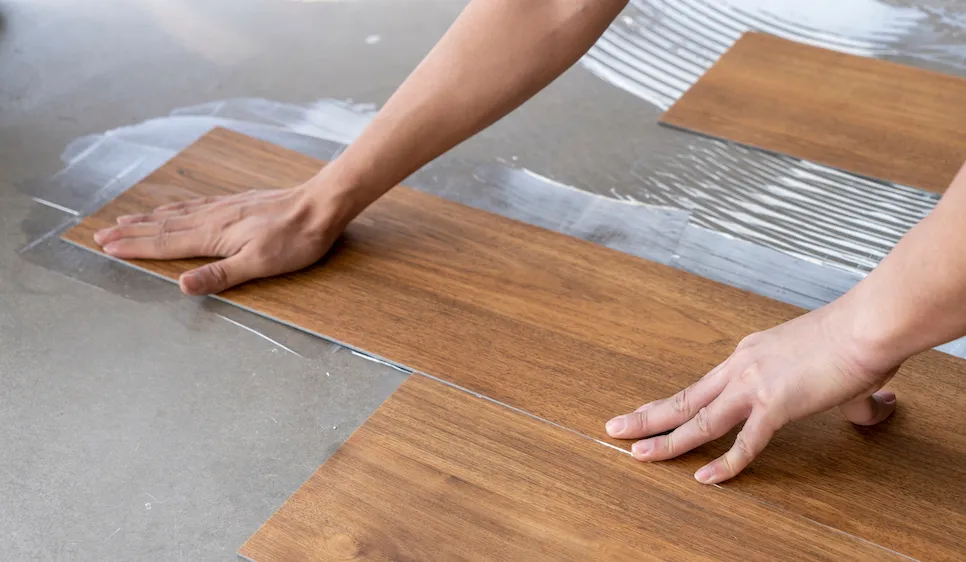
Waterproof laminate flooring has completely changed the way homeowners think about durable, stylish floors. Not long ago, laminate was known for affordability and design variety—but moisture was its weakness. Today, technology has evolved, and modern laminate options offer impressive water resistance without sacrificing beauty.
I once visited a family who had installed laminate flooring throughout their kitchen and dining area. They had two young children and a large dog, so spills were a daily occurrence. Instead of constantly worrying about damage, they chose a waterproof option. Years later, their floors still looked remarkably new. That’s the power of innovation meeting practicality.
This guide explores everything you need to know about Waterproof laminate flooring, including how it works, where it performs best, and how to choose the right product based on real-world expertise and trusted industry standards.
What Is Waterproof Laminate Flooring?
Waterproof laminate flooring is an advanced version of traditional laminate, designed with enhanced moisture protection. It typically includes a water-resistant core, tightly sealed locking systems, and protective surface coatings.
Standard laminate flooring uses a high-density fiberboard core that can swell if exposed to water for extended periods. Waterproof varieties, however, are engineered to prevent water from penetrating the seams and core layers.
Manufacturers achieve this by combining water-repellent coatings with advanced click-lock installation systems. The result is flooring that can withstand spills, humidity, and even minor flooding when installed correctly.
This makes it an appealing option for busy households where accidents happen daily.
How Waterproof Laminate Flooring Works
The structure of Waterproof laminate flooring is built in layers.
The top layer is a durable wear layer that resists scratches and stains. Beneath it sits a high-resolution photographic layer that mimics natural wood or stone.
The core layer is where waterproof innovation shines. Some brands use specially treated fiberboard, while others incorporate composite materials that resist moisture absorption.
The bottom backing layer adds stability and protects against subfloor moisture.
Together, these layers create a balanced flooring system that offers both aesthetic appeal and structural resilience.
Waterproof Laminate Flooring vs. Traditional Laminate
Traditional laminate performs well in living rooms and bedrooms but struggles in high-moisture areas.
Waterproof versions expand installation possibilities. Kitchens, bathrooms, laundry rooms, and even basements become viable spaces.
Brands like Pergo helped popularize laminate decades ago. Today, many major manufacturers offer enhanced waterproof technology to meet modern demands.
Choosing upgraded laminate ensures that daily spills won’t cause swelling or warping.
For homeowners who love the warmth of wood visuals but need added durability, Waterproof laminate flooring bridges the gap perfectly.
Key Benefits of Waterproof Laminate Flooring
Durability is one of its strongest selling points. It withstands heavy foot traffic, pet claws, and dropped objects.
Moisture resistance protects against common kitchen and bathroom spills.
Maintenance is simple. Regular sweeping and occasional damp mopping keep floors looking clean.
Aesthetic versatility is another advantage. Laminate replicates hardwood, tile, and even stone finishes with impressive realism.
When considering long-term value, Waterproof laminate flooring delivers both practicality and style.
Ideal Rooms for Waterproof Laminate Flooring
Kitchens are prime candidates due to frequent spills and cooking splashes.
Bathrooms benefit from moisture resistance, especially in homes where humidity levels fluctuate.
Basements often experience dampness. Properly installed waterproof laminate can handle occasional moisture exposure better than standard wood flooring.
Entryways and mudrooms see heavy traffic and wet shoes. This flooring option provides resilience without sacrificing visual appeal.
Families with pets appreciate how well Waterproof laminate flooring stands up to accidents and scratches.
Installation Considerations
Installation quality significantly impacts performance.
Many products feature click-lock systems that create tight seams. Proper underlayment further enhances moisture protection.
Subfloor preparation is crucial. Uneven surfaces can compromise locking mechanisms and reduce water resistance.
Professional installers often follow manufacturer guidelines to ensure warranties remain valid.
Organizations like the National Wood Flooring Association emphasize adherence to installation standards for optimal performance.
When installed correctly, Waterproof laminate flooring can maintain its integrity for years.
Real-Life Performance Stories
A homeowner I interviewed installed waterproof laminate in their basement renovation. Previously, minor moisture seepage caused carpet damage.
After switching to laminate with a waterproof core, they no longer worried about seasonal dampness. Even after a small plumbing leak, the flooring remained intact with minimal cleanup required.
Stories like this reinforce why modern homeowners prioritize durability alongside design.
The reliability of Waterproof laminate flooring gives peace of mind in unpredictable situations.
Comparing Waterproof Laminate to Vinyl Plank
Luxury vinyl plank is another popular waterproof option.
Vinyl is entirely synthetic, making it naturally water-resistant. However, some homeowners prefer laminate’s more rigid feel and realistic wood texture.
Laminate often provides superior scratch resistance due to its tough wear layer.
Each material has strengths, but Waterproof laminate flooring stands out for blending durability with authentic aesthetics.
Selecting between them depends on lifestyle preferences and subfloor conditions.
Environmental Considerations
Many manufacturers now focus on sustainable production methods.
Laminate flooring often uses recycled wood fibers in its core layer.
Some brands meet environmental standards established by organizations like Forest Stewardship Council, ensuring responsible sourcing.
Low-emission adhesives and finishes contribute to healthier indoor air quality.
Environmentally conscious buyers can find Waterproof laminate flooring options that align with sustainability goals.
Maintenance and Longevity
Routine care keeps floors looking fresh.
Avoid excessive standing water, even though the flooring is waterproof. Prompt cleanup preserves surface integrity.
Use manufacturer-approved cleaning products to prevent damage to protective coatings.
Place mats at entryways to reduce debris and moisture exposure.
With proper care, Waterproof laminate flooring can maintain its appearance for a decade or more.
Cost and Value
Pricing varies depending on brand, thickness, and design complexity.
While waterproof laminate may cost more than standard laminate, it remains more affordable than solid hardwood.
Long-term durability reduces replacement costs, increasing overall value.
For homeowners seeking budget-friendly yet resilient flooring, this option strikes a strong balance.
The cost-to-performance ratio makes Waterproof laminate flooring a practical investment.
Technological Advancements in Waterproof Laminate Flooring
Recent innovations focus on improved locking systems and enhanced core treatments.
Some manufacturers offer extended waterproof warranties covering up to 24 hours or more of water exposure.
Surface embossing techniques create textured finishes that mimic natural wood grain.
As technology evolves, Waterproof laminate flooring continues to close the gap between synthetic and natural materials.
Homeowners now enjoy aesthetics once reserved for high-end hardwood with added moisture protection.
EEAT and Choosing Reliable Products
Experience matters when evaluating flooring options. Real-world testing reveals how products perform under daily wear.
Expertise comes from certified installers and reputable manufacturers with transparent product specifications.
Authoritativeness is reinforced by industry associations and established brands.
Trustworthiness requires clear warranty policies and verified performance claims.
By following EEAT principles, homeowners can confidently select Waterproof laminate flooring that meets both functional and design needs.
Design Trends and Style Flexibility
Modern laminate offers wide planks, matte finishes, and neutral tones that align with contemporary interiors.
Rustic textures and hand-scraped visuals add character to traditional spaces.
Light oak shades create airy, Scandinavian-inspired rooms, while darker finishes provide warmth and sophistication.
Because it replicates natural materials so convincingly, Waterproof laminate flooring adapts to virtually any design theme.
Its flexibility allows homeowners to refresh spaces without compromising practicality.
Read also:-