

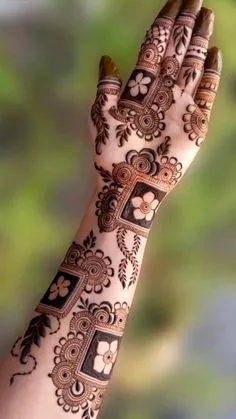
Indo-Arabic fusion mehndi has become one of the most loved henna art styles in modern celebrations, especially weddings, festivals, and special occasions. This artistic blend beautifully combines the bold, flowing elements of Arabic mehndi with the intricate detailing of traditional Indian patterns. The result is a stunning hybrid style that looks luxurious yet balanced, making it popular among brides, bridesmaids, and mehndi lovers across cultures.
Mehndi is more than just body art. It is a cultural symbol, a ritual of celebration, and a form of personal expression. When Indian and Arabic traditions meet, the patterns become richer, more expressive, and deeply symbolic. In recent years, fusion styles have gained global popularity due to social media, fashion influencers, and cross-cultural weddings.
Table of Contents
ToggleThe Origin and Evolution of Indo-Arabic fusion mehndi
The journey of mehndi began thousands of years ago in South Asia and the Middle East. Indian mehndi is known for its dense, detailed patterns that often cover the entire hand or foot. These designs traditionally include paisleys, mandalas, peacocks, and symbolic motifs that tell a story about love, fertility, and prosperity.
Arabic mehndi, on the other hand, is characterized by bold floral patterns, vines, and large motifs with negative space. The strokes are thicker, and the design flows naturally along the hand or arm, giving a modern and elegant appearance.
The fusion of these two styles emerged when artists started experimenting with combining intricate Indian detailing with bold Arabic outlines. This cross-cultural influence gave birth to Indo-Arabic fusion mehndi, a style that feels both traditional and contemporary.
Why Indo-Arabic fusion mehndi Is So Popular Today
One of the biggest reasons behind the popularity of this fusion style is its versatility. It suits brides who want something traditional but not overly heavy, and it appeals to younger generations who prefer minimalist yet elegant designs.
The fusion style also photographs beautifully, making it a favorite for Instagram, Pinterest, and wedding albums. The contrast between bold lines and delicate detailing creates depth and dimension, which looks stunning in close-up shots.
Another reason is cultural inclusivity. As weddings become more multicultural, fusion mehndi designs symbolize unity and harmony between traditions, making them meaningful as well as beautiful.
Key Elements That Define Indo-Arabic Fusion Mehndi
To understand what makes this style unique, it is important to look at the design elements that define it. The Arabic influence brings large floral motifs, leafy trails, and open spaces. The Indian influence adds symmetry, mandalas, paisleys, and fine line detailing.
The fusion style often uses bold outlines for major motifs and fills them with delicate Indian-inspired patterns. Negative space is strategically used to balance the design and make it look modern and breathable.
Artists often incorporate geometric patterns, netted designs, and shading techniques to enhance the overall look. The result is a design that feels luxurious without being overwhelming.
Indo-Arabic Fusion Mehndi for Brides
Brides today are experimenting with fusion mehndi to reflect their personal style. Some brides prefer traditional Indian designs on one hand and Arabic-inspired patterns on the other, while others opt for a complete fusion look across both hands.
Fusion bridal mehndi often includes personalized elements such as the groom’s initials, wedding date, or symbolic motifs like dholkis, kalash, and wedding rituals. These elements are integrated into bold Arabic floral frameworks, creating a storytelling canvas.
The beauty of fusion bridal mehndi lies in its balance. It offers the richness of Indian tradition and the elegance of Arabic minimalism, making it perfect for modern brides.
Indo-Arabic Fusion Mehndi for Festivals and Parties
This style is not limited to weddings. Festivals like Eid, Diwali, Karva Chauth, and Teej are perfect occasions for fusion mehndi. Women and girls prefer lighter designs that are stylish yet quick to apply.
For parties and casual celebrations, fusion mehndi can be applied on the back of the hand, wrists, or feet. These designs are trendy and complement ethnic as well as Indo-western outfits.
Many fashion-conscious individuals choose fusion mehndi for photoshoots, fashion shows, and cultural events because it adds an artistic and exotic touch to their look.
Artistic Techniques Used in Indo-Arabic Fusion Mehndi
Mehndi artists use various techniques to enhance fusion designs. Shading is a popular technique where fine lines are used to create depth within petals and motifs. This gives the design a 3D effect.
Dot work is another technique that adds texture and fills empty spaces without making the design look crowded. Line variation, where thick and thin lines are used strategically, helps in highlighting key elements.
Some artists also use glitter, colored stones, or white henna to create a contrast with traditional brown henna, giving fusion mehndi a contemporary twist.
Cultural Significance and Symbolism
Mehndi has always been associated with celebration, joy, and auspicious beginnings. In Indian culture, mehndi is an essential part of weddings and religious ceremonies. In Arabic culture, it is a symbol of beauty and femininity.
The fusion of these traditions symbolizes cultural harmony and global connectivity. Indo-Arabic fusion mehndi reflects how art transcends borders and brings people together through shared aesthetics and traditions.
How Social Media Boosted the Trend
Platforms like Instagram, Pinterest, and YouTube have played a major role in popularizing fusion mehndi. Artists share tutorials, reels, and design inspirations that reach a global audience.
Brides and influencers showcase their mehndi designs, inspiring others to try similar styles. Hashtags related to fusion mehndi receive millions of views, proving its widespread appeal.
Online tutorials have also made it easier for beginners to learn fusion designs, leading to a new generation of mehndi artists experimenting with creative patterns.
Choosing the Right Indo-Arabic Fusion Mehndi Design
Selecting the perfect design depends on the occasion, outfit, and personal preference. Brides may prefer full-hand designs with intricate detailing, while guests might opt for simpler patterns.
Skin tone, hand size, and outfit color also influence design selection. Bold Arabic motifs stand out beautifully on darker skin tones, while fine Indian detailing looks elegant on lighter tones.
Consulting a professional mehndi artist can help in customizing a design that suits individual style and event theme.
The Role of Professional Mehndi Artists and EEAT Factors
Expertise, Experience, Authoritativeness, and Trustworthiness are crucial in mehndi artistry. Professional artists undergo years of practice to master both Indian and Arabic techniques. Their expertise ensures clean lines, symmetrical patterns, and long-lasting color.
Experienced artists understand skin chemistry, henna quality, and aftercare, ensuring the best results. Authoritative artists often train students, participate in exhibitions, and contribute to the mehndi community through workshops and online content.
Trustworthy artists use natural henna, follow hygiene standards, and provide accurate aftercare advice. These EEAT factors are essential for clients who want safe and high-quality mehndi application.
Aftercare Tips for Long-Lasting Mehndi
To achieve a deep and long-lasting stain, proper aftercare is essential. Keeping the mehndi paste on for several hours, avoiding water for at least 12 hours, and applying natural oils like coconut or mustard oil can enhance the color.
Avoiding soap and chemicals for the first day helps in preserving the stain. Staying warm also helps in darkening the mehndi color, which is why mehndi is traditionally applied during celebrations and rituals.
Modern Innovations in Indo-Arabic Fusion Mehndi
Today, fusion mehndi is evolving with modern innovations. White henna, jagua gel, and metallic henna are being used for fashion-forward designs. Temporary tattoos inspired by fusion mehndi are also trending among people who want a temporary look.
Digital mehndi design tools and AI-based pattern generators are helping artists create customized designs for clients. These innovations are transforming mehndi from a traditional art form into a modern design industry.
Indo-Arabic Fusion Mehndi in Global Fashion
Fashion designers and models are incorporating mehndi-inspired patterns into clothing, accessories, and runway shows. Fusion mehndi motifs are used in embroidery, prints, and jewelry designs.
International celebrities have also embraced mehndi for red carpet events and photoshoots, bringing this traditional art form into global mainstream fashion.
This global exposure has increased appreciation for cultural art forms and encouraged cross-cultural artistic collaborations.
The Emotional Connection with Mehndi
Mehndi is deeply emotional for many people. It is associated with weddings, family gatherings, and joyful celebrations. Applying mehndi is often a bonding experience where women gather, share stories, and celebrate together.
Fusion mehndi adds a modern touch to this emotional tradition, allowing individuals to express their personality while staying connected to cultural roots.
Future Trends in Indo-Arabic Fusion Mehndi
The future of fusion mehndi looks promising with continuous experimentation and innovation. Minimalist fusion designs, asymmetrical patterns, and abstract motifs are gaining popularity among younger generations.
Sustainable and organic henna products are becoming more important as people become conscious of skin health and environmental impact. Digital platforms will continue to shape trends and inspire new styles.
Indo-Arabic Fusion Mehndi as a Business Opportunity
Mehndi artistry is also a growing business. Many artists offer bridal packages, workshops, and online courses. Fusion mehndi is in high demand, especially for destination weddings and international clients.
Content creators monetize mehndi tutorials, blogs, and social media content. This art form has become a viable career path for creative individuals passionate about cultural design.
The Timeless Appeal of Indo-Arabic Fusion Mehndi
The beauty of fusion mehndi lies in its timeless appeal. It respects tradition while embracing modernity. It allows artists and clients to experiment, personalize, and celebrate cultural diversity through art.
As cultural boundaries continue to blur, fusion mehndi will remain a symbol of unity, creativity, and artistic evolution.
Indo-Arabic fusion mehndi is more than a trend; it is a reflection of evolving traditions, global connectivity, and personal expression. Whether for a bride, a festival, or a fashion statement, this style continues to captivate hearts with its elegance, symbolism, and artistic beauty.