

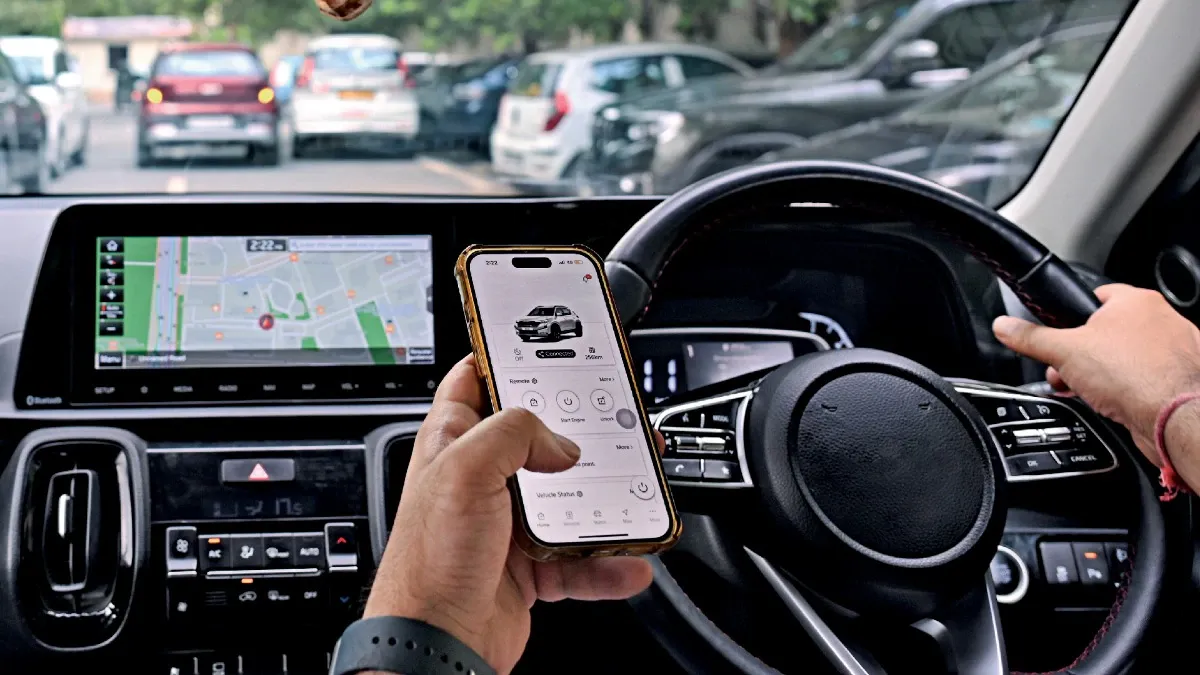
Connected car technology updates are redefining what it means to drive in the modern era. Cars are no longer isolated mechanical machines; they are intelligent, data-driven ecosystems connected to the cloud, smartphones, infrastructure, and even other vehicles.
Think about the last time your phone received a software update overnight. Now imagine your car doing the same—improving performance, adding features, or enhancing safety without visiting a dealership. That’s the power of connectivity in today’s automotive landscape.
From real-time navigation to over-the-air software enhancements, connected vehicles are transforming daily mobility into a seamless digital experience.
Table of Contents
ToggleThe Evolution Behind Connected Car Technology Updates
A decade ago, in-car technology mainly meant Bluetooth connectivity and basic GPS systems. Today, vehicles function like rolling computers equipped with advanced telematics, sensors, and embedded SIM cards.
Automakers such as BMW and Mercedes-Benz have integrated sophisticated connectivity platforms that allow continuous communication between vehicles and cloud servers.
These systems collect data related to engine performance, driver behavior, traffic conditions, and system health. The data is analyzed in real time to deliver smarter features and improved reliability.
The rise of Connected car technology updates marks a shift from hardware-driven innovation to software-defined vehicles.
Over-the-Air Software Enhancements
One of the most significant breakthroughs in Connected car technology updates is over-the-air (OTA) software capability. Instead of waiting for scheduled service visits, drivers now receive system improvements instantly.
Tesla pioneered large-scale OTA updates, adding new features like enhanced autopilot functions and battery optimization remotely.
Other manufacturers quickly followed. OTA technology allows companies to fix bugs, enhance performance, and improve cybersecurity defenses without physical intervention.
For consumers, this means vehicles evolve over time. A car purchased today may offer more features next year simply through software upgrades.
Advanced Driver Assistance Systems Integration
Modern connected vehicles integrate advanced driver assistance systems that rely on continuous data exchange. Features such as adaptive cruise control, lane-keeping assist, and collision warnings depend on real-time connectivity.
Companies like Volvo Cars emphasize safety-first connectivity by linking vehicles with cloud-based traffic intelligence platforms.
These integrations reduce accidents and improve situational awareness. As infrastructure becomes smarter, vehicles communicate directly with traffic signals and road sensors.
Such innovations demonstrate how Connected car technology updates contribute to safer driving environments worldwide.
5G Connectivity and Real-Time Communication
The rollout of 5G networks has accelerated automotive innovation dramatically. Higher bandwidth and lower latency enable faster communication between vehicles and external systems.
With 5G, vehicles can process navigation changes, hazard alerts, and streaming services almost instantly.
Telecommunications providers like Qualcomm are developing automotive-specific 5G platforms that enhance data transmission efficiency.
This next-generation connectivity is central to expanding the capabilities of Connected car technology updates in both urban and highway settings.
Smart Infotainment and Personalization
Connected vehicles now offer highly personalized infotainment experiences. Drivers can sync calendars, playlists, and digital assistants directly to their vehicles.
Manufacturers such as Hyundai Motor Company are investing heavily in AI-powered infotainment systems that adapt to driver preferences over time.
Voice recognition systems learn speech patterns, navigation routes adapt to commuting habits, and climate settings automatically adjust based on usage history.
These personalized experiences reflect how Connected car technology updates go beyond performance and deeply influence daily comfort.
Vehicle-to-Vehicle and Vehicle-to-Infrastructure Communication
One of the most exciting aspects of connectivity is V2V and V2I communication. Vehicles share information about speed, road conditions, and potential hazards with each other.
Infrastructure components such as smart traffic lights transmit data to approaching cars, optimizing traffic flow and reducing congestion.
Ford Motor Company has been testing connected systems that alert drivers to upcoming road hazards before they are visible.
Such real-time collaboration between vehicles and cities highlights the broader ecosystem created by Connected car technology updates.
Data Analytics and Predictive Maintenance
Connected vehicles generate vast amounts of data every second. That data is analyzed to predict maintenance needs before breakdowns occur.
Manufacturers like General Motors use predictive analytics platforms to monitor engine performance and component wear remotely.
This proactive maintenance approach reduces downtime and increases vehicle longevity.
Data-driven insights are strengthening the reliability of Connected car technology updates while lowering overall ownership costs.
Cybersecurity and Data Protection
As vehicles become increasingly connected, cybersecurity becomes a critical priority. Protecting driver data and preventing unauthorized access is essential.
Organizations such as National Highway Traffic Safety Administration emphasize strict cybersecurity standards for connected vehicles.
Automakers now invest heavily in encryption protocols, intrusion detection systems, and regular software patches.
Trust in Connected car technology updates depends on robust security frameworks that safeguard personal and operational data.
Connected Electric Vehicles and Energy Optimization
Electric vehicles benefit greatly from connected ecosystems. Charging station availability, battery performance analytics, and route optimization are all enhanced through connectivity.
Nissan integrates connected systems that monitor battery health and suggest optimal charging schedules.
Drivers receive notifications about nearby charging stations and estimated charging times in real time.
These capabilities illustrate how Connected car technology updates support the global shift toward sustainable mobility.
Fleet Management and Commercial Impact
Commercial fleets rely heavily on connectivity for efficiency. Logistics companies monitor vehicle location, fuel usage, and driver behavior in real time.
Amazon uses advanced telematics systems to optimize delivery routes and reduce delays.
Fleet managers analyze data dashboards to improve performance and reduce operational costs.
This commercial application demonstrates the economic value embedded within Connected car technology updates.
Integration with Smart Cities
Urban environments are rapidly evolving to accommodate connected mobility. Smart parking systems communicate availability directly to drivers.
Traffic management centers collect anonymized vehicle data to improve congestion control strategies.
Cities collaborating with automotive manufacturers create integrated transportation ecosystems powered by connectivity.
Such initiatives reinforce the transformative influence of Connected car technology updates on urban planning.
Artificial Intelligence and Continuous Learning
AI plays a crucial role in analyzing vehicle data streams. Machine learning models detect patterns that improve navigation accuracy and safety systems.
Manufacturers partner with technology leaders to refine these systems continuously.
Vehicles learn from aggregated driving data, enhancing performance with each software iteration.
This adaptive capability ensures that Connected car technology updates remain dynamic rather than static innovations.
Regulatory Landscape and Industry Standards
Governments worldwide are establishing frameworks to regulate connected vehicle technologies. Compliance ensures safety, data transparency, and fair competition.
International collaboration helps create consistent standards across markets.
Industry alliances foster interoperability between brands, allowing broader ecosystem compatibility.
Clear regulations enhance the credibility and reliability of Connected car technology updates globally.
Real-World Scenario: A Smarter Daily Commute
Imagine leaving home during peak traffic hours. Your car automatically calculates the fastest route based on live congestion data.
Midway through the journey, the system detects an accident ahead and reroutes you instantly. Meanwhile, your vehicle adjusts cabin temperature based on weather forecasts.
This seamless coordination is powered by advanced connectivity systems working silently in the background.
Such experiences highlight the practical benefits of Connected car technology updates in everyday life.
Experience, Expertise, Authoritativeness, and Trustworthiness
Connected vehicle innovation is backed by rigorous research from automotive engineers, cybersecurity specialists, and telecommunications experts.
Leading manufacturers invest billions annually in R&D to refine connected platforms and ensure reliability.
Independent safety testing, compliance certifications, and transparent reporting reinforce industry credibility.
From an EEAT perspective, the success of Connected car technology updates lies in validated data models, secure infrastructure, and measurable safety improvements.
As vehicles continue evolving into intelligent mobility platforms, connectivity remains central to innovation, efficiency, and driver empowerment in the digital transportation era.
Read also:-