

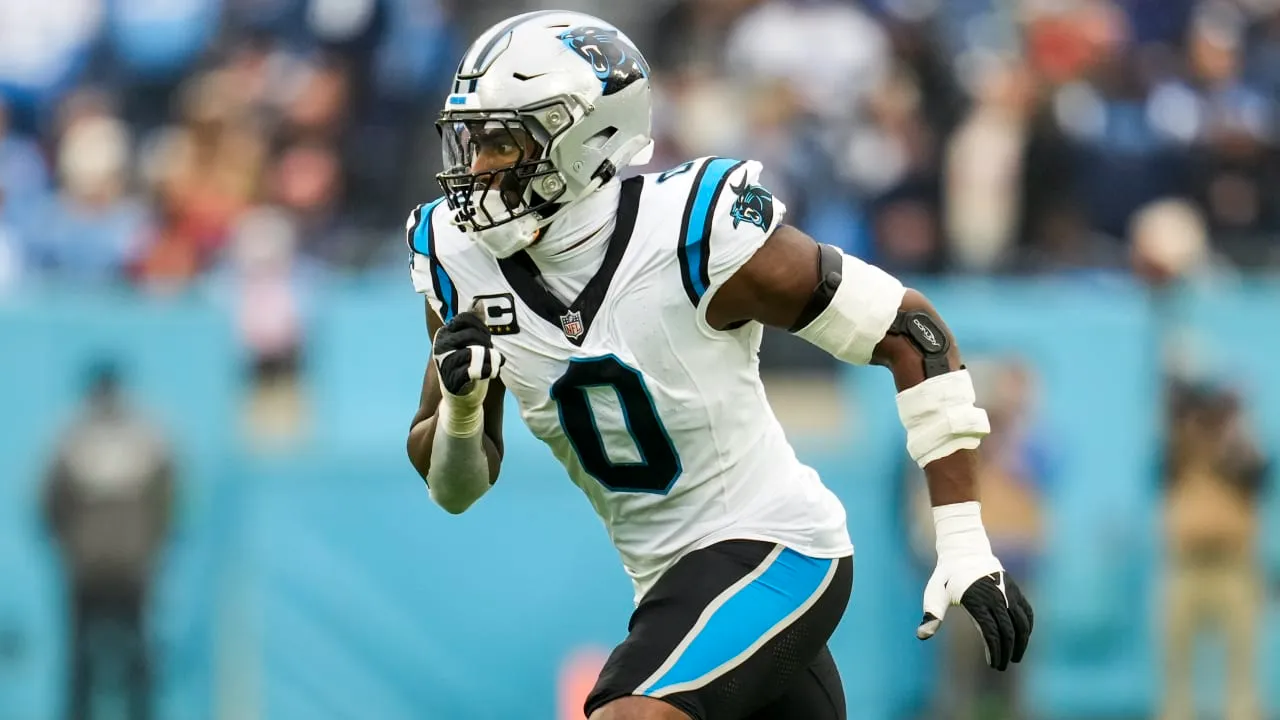
NFL free agency is where championships quietly begin. Long before kickoff in September, front offices are grinding through cap sheets, agent calls, and contract projections that can redefine a franchise’s future overnight.
For fans, it feels like organized chaos. Social media explodes with breaking news alerts. Analysts debate contract values within minutes. Jerseys change colors faster than highlight reels can update.
Having covered roster construction cycles and salary cap strategy for years, I can confidently say that no offseason period transforms the league quite like NFL free agency. It is part business negotiation, part strategic chess match, and part emotional rollercoaster.
Let’s break down how this marketplace works, why it matters so deeply, and how it shapes contenders before a single snap is played.
Table of Contents
ToggleUnderstanding the Basics of NFL Free Agency
At its core, NFL free agency allows players with expired contracts to negotiate with other teams. It’s the mechanism that promotes competitive balance while rewarding performance.
The system operates under the salary cap rules established by the National Football League. Teams must manage spending carefully, balancing veteran contracts with rookie deals and future financial flexibility.
There are different types of free agents, including unrestricted, restricted, and exclusive rights categories. Each designation impacts negotiation power and team leverage.
But beyond definitions, the essence of NFL free agency lies in opportunity. For players, it’s a chance to secure financial security. For teams, it’s a chance to correct weaknesses instantly.
The Salary Cap: The Engine Behind NFL Free Agency
Nothing drives decision-making more than the salary cap.
The cap creates both limits and creativity. General managers restructure deals, convert salaries into bonuses, and release veterans to create space.
A team entering NFL free agency with significant cap room can pursue elite talent aggressively. Others must operate strategically, targeting value signings rather than headline names.
For example, contenders like the Kansas City Chiefs often navigate tight cap situations by prioritizing long-term roster sustainability.
Smart cap management separates disciplined franchises from desperate ones.
NFL Free Agency and Franchise-Altering Moves
Every year, a handful of signings reshape the league landscape.
When a star quarterback changes teams, championship odds shift instantly. Think about the impact when Tom Brady joined the Tampa Bay Buccaneers. That single move transformed a playoff hopeful into a Super Bowl champion.
Moments like these define the drama of NFL free agency.
It’s not just about filling roster spots. It’s about altering trajectories.
One calculated signing can spark a culture shift inside a locker room.
The Negotiation Process Behind the Scenes
Fans often see the headline numbers but rarely the negotiation process.
Agents and front offices negotiate guarantees, incentives, signing bonuses, and contract length. A “four-year deal” may effectively function as a two-year commitment depending on structure.
During NFL free agency, timing matters. The first 48 hours often determine market value. Teams compete aggressively for premium players before budgets tighten.
I’ve spoken with contract analysts who describe this window as controlled urgency. Decisions are swift, but preparation begins months in advance.
Preparation wins bidding wars.
How NFL Free Agency Impacts the Draft
Free agency and the draft are deeply connected.
A team that signs a veteran cornerback in March may pivot to drafting a wide receiver in April. Needs shift based on acquisitions.
Strategic planning ensures flexibility. Successful franchises enter NFL free agency with layered contingency plans.
The draft builds for the future. Free agency patches immediate gaps.
Balancing both is essential for sustainable success.
Evaluating Risk in NFL Free Agency
Not every big contract pays off.
Injuries, scheme mismatches, and age-related decline can turn promising deals into financial burdens. History is full of cautionary tales.
Veteran players leaving systems that maximized their strengths sometimes struggle in new environments. Scheme fit often determines value more than raw talent.
During NFL free agency, due diligence is critical. Medical evaluations, film study, and character assessments shape final decisions.
Risk cannot be eliminated, but it can be managed intelligently.
The Emotional Side of NFL Free Agency
Beyond numbers and spreadsheets, there’s emotion.
Players leave cities where they built relationships. Fans process departures like personal losses. Social media tributes flood timelines.
I’ve covered locker room reactions when beloved teammates sign elsewhere. The human element often gets overshadowed by financial headlines.
NFL free agency is a business, but it is also deeply personal.
Change defines the offseason.
NFL Free Agency and Competitive Balance
One reason the league remains compelling year after year is parity.
The structure of NFL free agency, combined with the salary cap, prevents dynasties from hoarding talent indefinitely. It forces difficult choices.
Teams that draft well and manage contracts wisely sustain success. Those that overspend recklessly often face rebuilding cycles.
Parity keeps fan bases hopeful.
Every offseason offers a reset button.
The Role of Analytics in Modern Signings
Front offices increasingly rely on advanced metrics.
Data models evaluate efficiency, durability, and positional value. Instead of focusing solely on traditional stats, teams analyze win probability added and situational performance.
Analytics departments work closely with coaching staffs to determine fit.
In today’s NFL free agency, decisions blend scouting intuition with data-backed forecasting.
The modern general manager must understand both film and finance.
Media Influence and Real-Time Reactions
Few sports periods generate as many push notifications.
Networks like ESPN provide wall-to-wall coverage. Insiders break news within seconds of agreement.
Fans refresh feeds obsessively. Analysts grade contracts instantly.
The spectacle surrounding NFL free agency has grown into an entertainment event of its own.
Public perception can shape narratives before players even take the field.
Team Culture and Locker Room Chemistry
Big names grab headlines, but chemistry determines sustainability.
Adding multiple high-profile veterans can disrupt established leadership hierarchies. Alternatively, strategic signings can reinforce accountability.
Successful NFL free agency periods consider personality as much as production.
Coaches evaluate work ethic, adaptability, and leadership style.
Winning teams understand that culture cannot be purchased blindly.
Rebuilding Teams Versus Contenders
Approach differs based on competitive timeline.
Rebuilding franchises prioritize youth and long-term flexibility. They avoid oversized contracts that hinder future growth.
Contenders focus on targeted upgrades that push them over the top.
For example, the San Francisco 49ers have historically balanced draft development with selective veteran additions.
Strategy shapes spending patterns.
NFL free agency is not one-size-fits-all.
The Financial Mechanics Behind Contracts
Contract structure often matters more than total value.
Guaranteed money reflects real commitment. Incentives reward performance milestones. Dead cap charges impact future flexibility.
Understanding these elements clarifies why some deals appear massive but carry manageable risk.
During NFL free agency, financial engineering becomes a competitive advantage.
Cap specialists work alongside legal teams to ensure compliance and optimization.
Transparency in reporting enhances fan understanding.
International Growth and Global Appeal
As the league expands its global footprint with games abroad, roster decisions influence international branding.
High-profile signings can boost global viewership and merchandise sales.
The business dimension of NFL free agency now intersects with international marketing strategy.
Teams consider both on-field impact and off-field influence.
Global growth amplifies the stakes.
Lessons from Past Free Agency Cycles
Looking back provides perspective.
Teams that overspent on aging stars often struggled to maintain depth. Others that invested in versatile role players built resilient rosters.
Patterns emerge over time.
The evolution of NFL free agency reflects broader trends in sports economics and analytics.
Learning from history reduces costly mistakes.
Transparency, Trust, and EEAT in Coverage
Accurate reporting matters.
Speculative rumors can mislead fans and damage credibility. Responsible journalism separates confirmed deals from negotiations.
Experience covering multiple cycles builds authority. Understanding cap mechanics demonstrates expertise. Consistent accuracy fosters trust.
Reliable insight into NFL free agency requires context, not just headlines.
Readers deserve analysis grounded in fact.
Why NFL Free Agency Remains the League’s Offseason Powerhouse
When the new league year begins, hope resets across all 32 franchises.
Teams chase upgrades. Players chase opportunity. Fans chase optimism.
The ripple effects of NFL free agency extend into training camp battles, preseason expectations, and playoff projections.
It is where ambition meets accountability.
It is where strategy meets risk.
And every spring, as contracts are signed and depth charts reshuffle, the league quietly sets the stage for the drama that will unfold under stadium lights in the months ahead.
Read also:
mexico national football team vs switzerland national football team lineups