

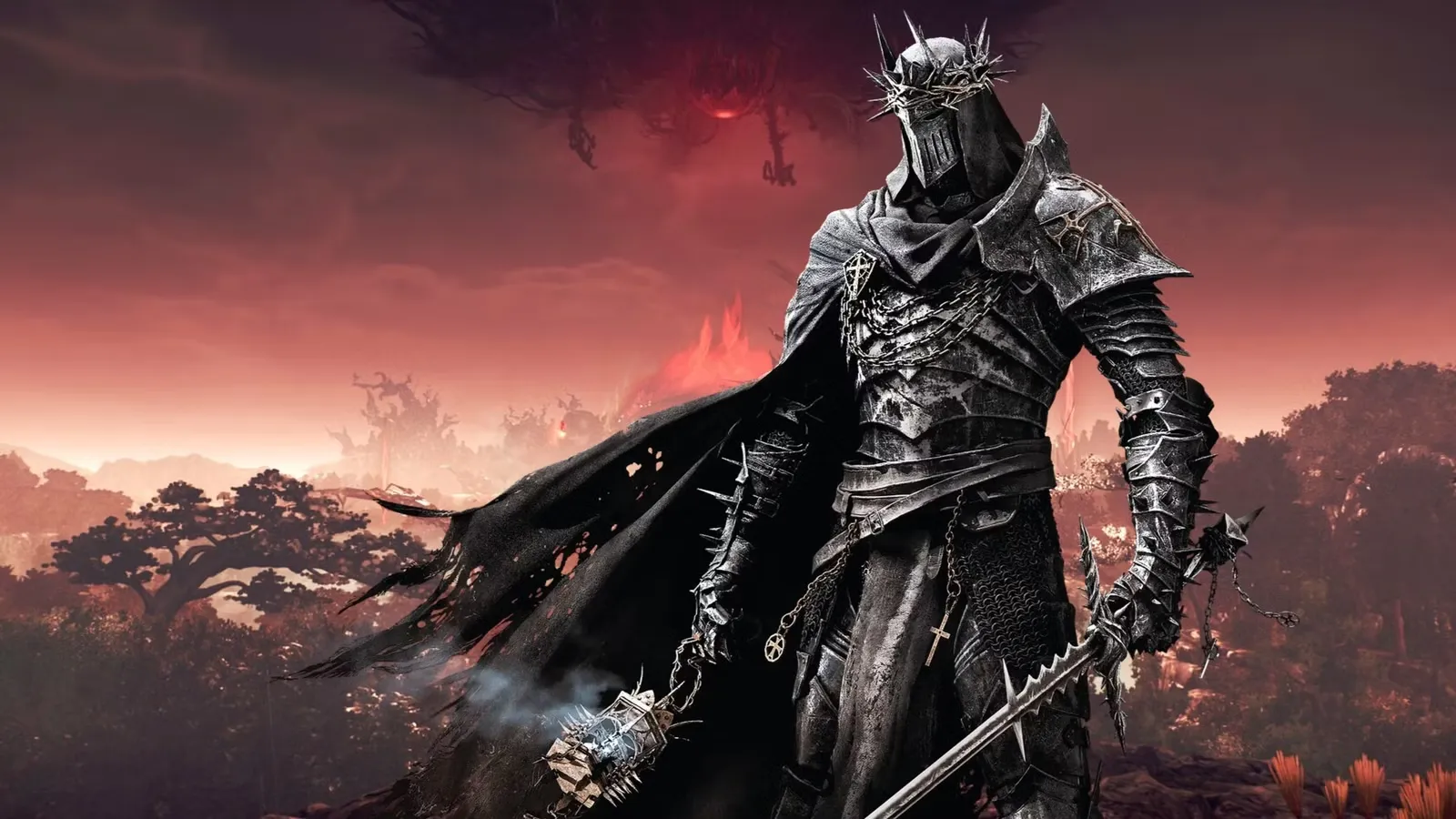
Soulslike RPG new releases continue to raise the bar for difficulty, atmosphere, and deeply satisfying combat systems in modern gaming.
If you’ve ever felt your palms sweat before a boss fight or experienced that rush after finally landing the final blow, you already understand the appeal. This genre doesn’t hand out victories easily. It demands patience, timing, and emotional resilience.
What started as a niche formula has now evolved into one of the most influential trends in the RPG space. Developers worldwide are crafting darker worlds, intricate combat mechanics, and layered lore that reward players who stick through failure.
The Legacy Behind Soulslike RPG New Releases
To understand why Soulslike RPG new releases generate so much excitement, we have to revisit the foundation laid by FromSoftware.
Titles like Demon’s Souls and Dark Souls reshaped player expectations. They introduced stamina-based combat, environmental storytelling, and unforgiving enemy design.
Later masterpieces such as Bloodborne and Elden Ring expanded the formula into faster combat systems and massive open worlds.
Today’s wave of Souls-inspired games builds upon that blueprint while experimenting with fresh ideas.
What Defines Modern Soulslike RPG New Releases?
At their core, these games revolve around deliberate combat.
Every attack drains stamina. Every dodge matters. Every enemy encounter can be lethal if approached carelessly.
But Soulslike RPG new releases are no longer simple imitations. Developers now blend the formula with roguelike mechanics, narrative-driven design, and even sci-fi aesthetics.
Some emphasize parry-based combat. Others focus on magic systems or open-world exploration. The genre is diversifying while maintaining its punishing identity.
Recent Soulslike RPG New Releases Making Waves
Several recent titles have drawn attention for pushing boundaries.
Lies of P reimagined the Pinocchio mythos in a dark Belle Époque setting. Its precise combat and weapon assembly system earned praise from veteran players.
Lords of the Fallen introduced a dual-realm mechanic that allows players to shift between parallel worlds, adding strategic depth.
Meanwhile, Wo Long: Fallen Dynasty blended Chinese mythology with a morale-based combat system, offering faster-paced encounters.
Each of these examples demonstrates how Soulslike RPG new releases are expanding beyond medieval European fantasy themes.
Combat Evolution and Player Skill Growth
One of the most compelling aspects of the genre is skill progression.
Unlike traditional RPGs that rely heavily on leveling, Soulslike combat emphasizes player improvement.
When you first face a towering boss, defeat feels inevitable. After several attempts, patterns emerge. You recognize wind-ups, memorize attack chains, and refine dodging timing.
This design philosophy defines Soulslike RPG new releases. Victory feels earned, not granted.
Players often describe a sense of personal growth, not just character progression. That emotional payoff drives the genre’s loyal community.
Worldbuilding and Environmental Storytelling
Lore in Soulslike games rarely unfolds through long cutscenes.
Instead, stories are hidden in item descriptions, environmental details, and subtle NPC dialogue.
Modern Soulslike RPG new releases continue this tradition while refining accessibility. Some titles offer clearer quest tracking without sacrificing mystery.
Atmosphere plays a central role. Ruined castles, decaying forests, and forgotten cities evoke a haunting sense of history.
This immersive storytelling method encourages exploration and theory crafting among fans.
Indie Developers Enter the Arena
The influence of Soulslike mechanics extends far beyond major studios.
Independent developers now experiment with pixel-art Soulslikes, side-scrolling interpretations, and hybrid action systems.
Smaller teams leverage modern engines like Unity Technologies and Epic Games to create ambitious projects.
The accessibility of development tools has fueled a surge in Soulslike RPG new releases across platforms.
This diversity ensures that the genre continues evolving rather than stagnating.
Difficulty Debate and Accessibility
Not everyone embraces punishing difficulty.
Some players argue that strict design excludes newcomers. Others defend it as integral to the genre’s identity.
Recent releases attempt compromise. Adjustable assist modes and clearer tutorials appear without diluting core mechanics.
The conversation surrounding accessibility shapes how Soulslike RPG new releases are designed today.
Balancing challenge with inclusivity remains one of the genre’s most complex design discussions.
Multiplayer Integration and Community Impact
Online features add another layer of engagement.
Cooperative summons allow friends to tackle bosses together. Invasions create tense, unpredictable encounters.
These mechanics foster strong communities. Players share strategies, build guides, and lore theories.
Modern Soulslike RPG new releases integrate smoother matchmaking and cross-platform support, expanding their player bases.
Community-driven discovery often becomes part of the gameplay experience itself.
Technical Advancements in New Releases
Next-generation hardware enhances visual fidelity and performance.
Advanced lighting systems, ray tracing, and faster load times improve immersion.
Games like Elden Ring demonstrated how open-world exploration could coexist with classic Souls mechanics.
Newer engines allow seamless transitions between areas, richer enemy AI, and more fluid animations.
These technical upgrades elevate Soulslike RPG new releases beyond their predecessors in both scale and polish.
Narrative Depth and Emotional Themes
Beyond combat, many modern Soulslikes explore existential themes.
Loss, decay, redemption, and resilience form recurring motifs.
Players often connect emotionally with characters who struggle in bleak worlds.
Recent titles deepen character arcs and offer branching narrative outcomes.
This storytelling evolution strengthens the appeal of Soulslike RPG new releases for players seeking more than mechanical challenge.
Real-Life Player Perspective
I remember watching a friend attempt a difficult boss in a recent Soulslike title.
He failed repeatedly, each time adjusting strategy slightly. After nearly an hour, he finally succeeded.
The room erupted in celebration. That victory felt meaningful because it required perseverance.
Moments like this capture the spirit of Soulslike RPG new releases. They create stories players share long after the console powers down.
Market Trends and Commercial Performance
The commercial success of recent Soulslike titles demonstrates growing demand.
What was once a niche subgenre now attracts mainstream attention.
Publishers recognize the profitability of high-difficulty RPGs when executed thoughtfully.
Streaming platforms amplify visibility, as viewers enjoy watching tense boss encounters.
This exposure fuels anticipation for upcoming Soulslike RPG new releases each year.
Future Directions for Soulslike RPG New Releases
Looking ahead, developers experiment with hybrid designs.
Some combine Souls mechanics with roguelike structures. Others integrate sci-fi or cyberpunk settings.
AI-driven enemy behavior may create more adaptive combat systems.
Open-world design will likely continue expanding, offering greater freedom without sacrificing tension.
The trajectory suggests that Soulslike RPG new releases will keep evolving while preserving their core identity.
Player Investment and Long-Term Engagement
One defining trait of the genre is replay value.
New Game Plus modes introduce tougher enemies and additional content.
Build experimentation encourages multiple playthroughs with different weapons and abilities.
As long as developers maintain high standards, Soulslike RPG new releases will retain strong longevity within gaming communities.
The emotional connection formed through struggle and triumph ensures continued interest across generations of players.
Read also:
addicting games
prime gaming rewards
expansion slot
xbox cloud gaming beta