

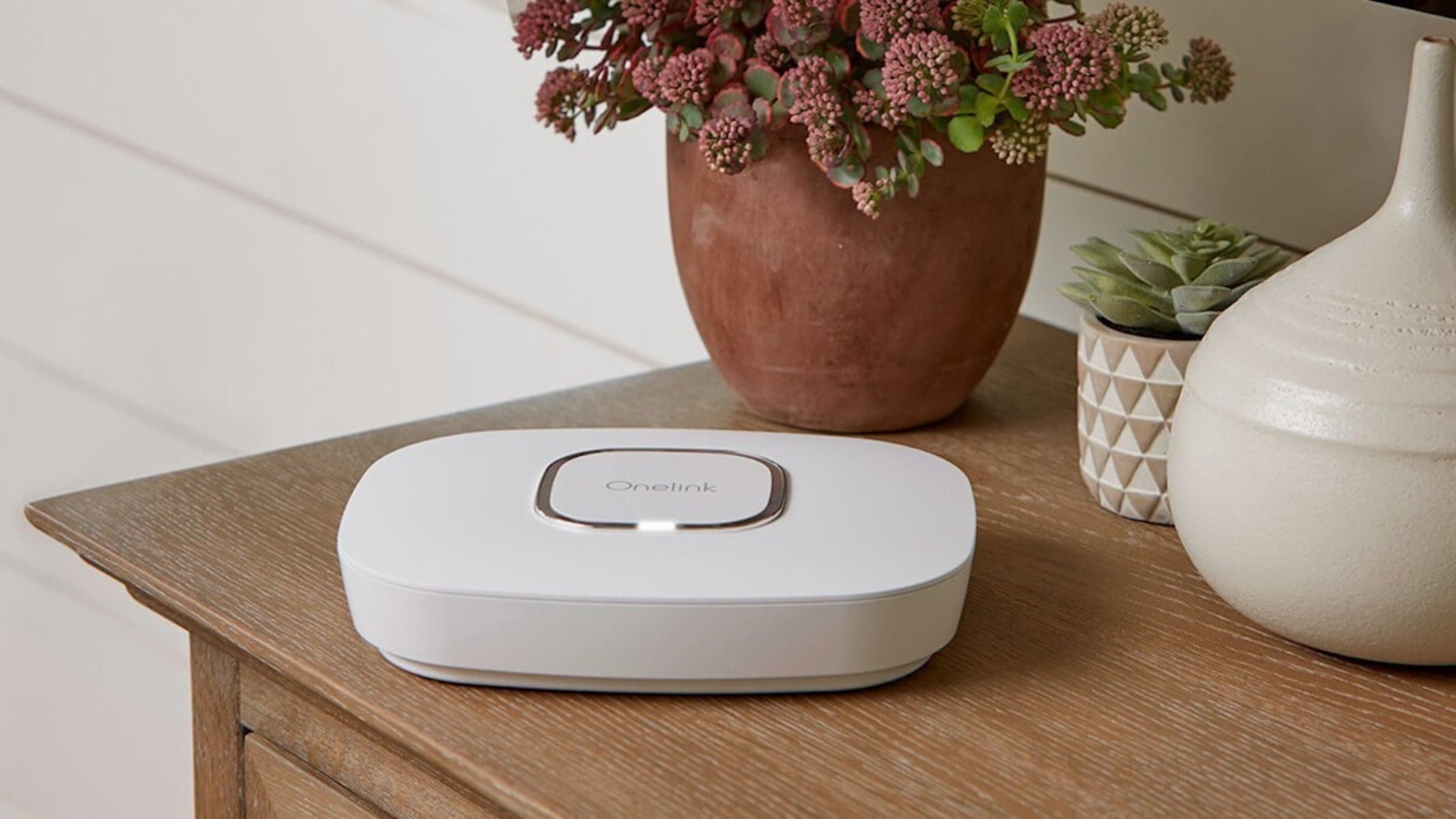
Smart home gadgets have redefined the way we live, making daily tasks more convenient, homes more secure, and energy management more efficient. From voice-controlled assistants to intelligent lighting systems, technology now empowers homeowners to create connected environments that adapt to their lifestyle.
I recall installing a smart thermostat in my home a few years ago. Initially, I was skeptical about the value it could add, but within weeks, I noticed a significant reduction in my energy bills. Beyond cost savings, the convenience of adjusting the temperature remotely made everyday life more comfortable. That experience highlighted the tangible benefits of incorporating smart home gadgets into modern living.
This article explores innovative devices, practical applications, and insights for creating a smart, efficient home. Whether you’re a tech enthusiast or a beginner, understanding these gadgets ensures you maximize their potential for convenience, security, and comfort.
Table of Contents
ToggleWhy Smart Home Gadgets Are Essential Today
The modern home is evolving into an intelligent ecosystem. Smart home gadgets provide automation, energy efficiency, and enhanced safety, while also improving quality of life.
Devices like automated lighting, security cameras, and connected appliances streamline everyday routines. They allow homeowners to monitor and control their home environment from anywhere, reducing stress and improving lifestyle efficiency.
Adopting these gadgets also encourages sustainable living. Energy usage can be monitored and optimized, helping both the environment and your utility bills.
Popular Smart Home Gadgets and Their Uses
The market offers a variety of devices, each serving specific purposes. Voice assistants like Amazon Echo and Google Nest Hub allow hands-free control of multiple devices, from lights to music.
Smart lighting systems like Philips Hue and LIFX provide mood-setting, remote access, and energy efficiency. Security-focused gadgets include smart locks, video doorbells, and motion sensors that enhance home safety and monitoring.
Integrating multiple smart home gadgets creates a seamless ecosystem, where devices communicate with each other for optimal convenience and automation.
Smart Home Gadgets for Security and Safety
Safety is a key motivator for adopting smart technology. Smart locks, surveillance cameras, and alarm systems enable homeowners to monitor properties in real-time.
Video doorbells offer two-way communication with visitors, while motion detectors alert owners to unusual activity. Smart smoke and carbon monoxide detectors ensure timely alerts to prevent emergencies.
Following smart home gadgets trends in security empowers homeowners to protect their families and property effectively while providing peace of mind.
Energy Management With Smart Home Gadgets
One of the most practical benefits of smart devices is energy efficiency. Smart thermostats, automated lighting, and connected appliances monitor consumption and optimize usage patterns.
For example, devices like the Nest Thermostat learn user habits to adjust heating and cooling automatically, reducing unnecessary energy expenditure. Smart plugs and power strips help manage energy-hungry appliances when not in use.
Utilizing smart home gadgets for energy management translates to cost savings and environmentally conscious living without compromising comfort.
Smart Home Gadgets for Entertainment
Entertainment has also been transformed by technology. Smart speakers, streaming devices, and connected TVs allow personalized media experiences controlled via voice or mobile apps.
Devices such as Apple HomePod or Sonos systems integrate with other gadgets for synchronized music throughout the home. Smart lighting can also be synchronized with movies or music for immersive experiences.
Integrating entertainment-focused smart home gadgets ensures fun and convenience for family gatherings, parties, or personal relaxation.
Voice Control and Automation
Voice-controlled assistants have become central to the smart home experience. Devices like Amazon Alexa, Google Assistant, and Apple Siri enable seamless interaction with connected appliances.
Automation routines allow tasks to occur without manual input. For example, lights can turn on at sunset, doors can lock at night, and coffee machines can start automatically in the morning.
These smart home gadgets routines enhance daily convenience, save time, and allow homeowners to focus on more meaningful activities.
Smart Home Gadgets for Kitchen Efficiency
The kitchen is a hub where technology can significantly improve efficiency. Smart refrigerators track groceries, suggest recipes, and even monitor expiration dates.
Connected ovens, coffee makers, and dishwashers can be controlled remotely or programmed for specific schedules. These devices streamline cooking, reduce waste, and improve overall kitchen management.
Applying smart home gadgets in culinary routines ensures a balance of convenience, precision, and enjoyment in meal preparation.
Integration and Compatibility
For a truly smart home, devices must work together seamlessly. Platforms like Apple HomeKit, Google Home, and Amazon Alexa provide integration frameworks to control multiple gadgets from a single interface.
Compatibility ensures that devices communicate efficiently, enabling automation scenarios like turning on lights when motion is detected or adjusting temperature when a door opens.
Strategically combining smart home gadgets avoids redundancy, enhances convenience, and creates a cohesive user experience.
Smart Home Gadgets for Health and Wellness
Beyond convenience, smart devices contribute to well-being. Air purifiers, humidifiers, and connected fitness equipment allow monitoring and control of health-related factors.
Wearable integrations and smart scales provide insights into sleep, activity, and nutrition. Smart lighting systems can mimic natural daylight to support circadian rhythms, promoting better sleep and mood.
Incorporating wellness-focused smart home gadgets transforms your living space into a supportive environment for physical and mental health.
Challenges and Considerations
While smart technology offers immense benefits, challenges exist. Privacy and security risks are significant considerations, as connected devices may be vulnerable to cyber threats.
Device compatibility and initial costs can also affect adoption. Ensuring regular software updates, strong passwords, and careful selection of products mitigates these risks.
Understanding these factors is essential when investing in smart home gadgets to ensure safe, efficient, and enjoyable usage.
Future Trends in Smart Home Gadgets
The smart home industry is constantly evolving. Emerging trends include AI-driven automation, voice recognition, and predictive energy management.
Future gadgets will be more intuitive, with devices anticipating needs and responding proactively. Integration with wearable technology and advanced sensors will enhance personalization and efficiency.
Staying informed about smart home gadgets ensures you adopt the most relevant and beneficial technologies for your home environment.
Creating a Smart Home Strategy
To maximize the benefits of smart devices, planning is crucial. Start by identifying priorities: security, convenience, energy efficiency, or entertainment.
Gradually integrate devices, ensuring compatibility and usability. Monitor performance and adjust settings to optimize routines. Personalization makes technology work seamlessly for your lifestyle.
Implementing thoughtful smart home gadgets strategies enhances functionality, improves daily life, and creates a comfortable, connected environment.
Smart home gadgets are no longer just futuristic ideas; they are practical tools that transform living spaces. By understanding their functions, applications, and integration, homeowners can enhance convenience, security, energy efficiency, and overall quality of life while embracing the future of technology.
Read also:
delimitation meaning in kannada
4509630846
18776778067
5879339052
corer meaning