

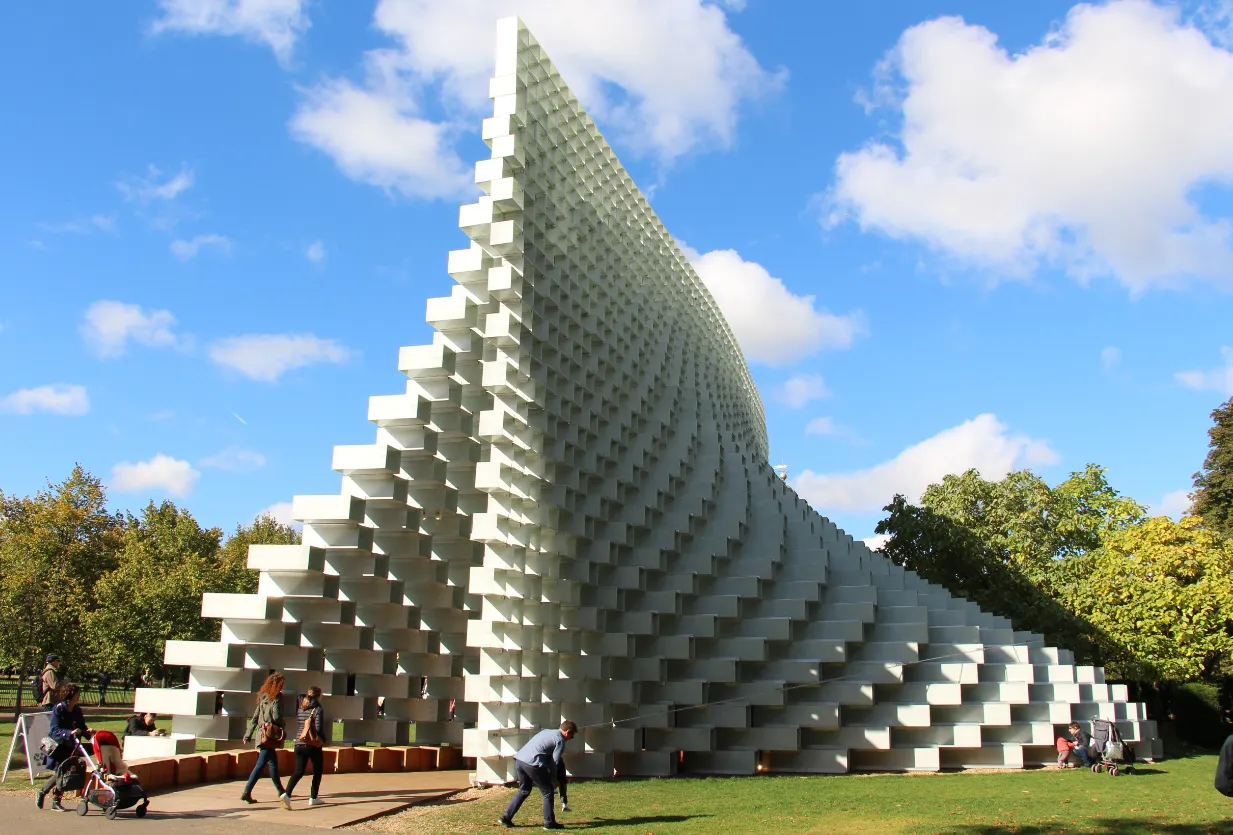
Parametric design structures are redefining the boundaries of architecture by allowing designers to create complex, adaptive forms driven by data and algorithms. What once required months of manual drafting can now be generated, tested, and refined in real time through computational tools.
The first time I stood beneath a fluid, wave-like roof that seemed to float without visible support, I realized architecture had entered a new era. The geometry was intricate yet purposeful. It wasn’t just visually stunning; it responded to wind loads, sunlight angles, and structural efficiency all at once.
That seamless fusion of creativity and computation lies at the heart of parametric design. It’s not about making buildings look futuristic for the sake of style. It’s about using mathematical relationships to solve complex spatial challenges intelligently.
Understanding the Logic Behind Parametric design structures
At its core, parametric design relies on algorithms. Designers input variables such as material strength, environmental conditions, and spatial requirements. Software then generates forms based on these parameters.
Instead of drawing a static shape, architects define relationships. Change one value, and the entire structure adapts automatically. This dynamic flexibility is what sets Parametric design structures apart from traditional drafting methods.
Programs like Grasshopper and Autodesk Revit have become central to this process. They allow architects to experiment with thousands of iterations before selecting the most efficient design.
This data-driven approach enhances precision, reduces material waste, and enables innovation that would be nearly impossible by hand.
Iconic Examples That Changed the Skyline
Some of the world’s most recognizable contemporary buildings showcase the power of computational design. The Heydar Aliyev Center in Baku demonstrates fluid, seamless curves that merge roof and walls into a continuous surface.
Designed by Zaha Hadid, the structure embodies how algorithmic modeling can transform architectural expression.
Another striking example is the Beijing National Stadium in Beijing. Its interwoven steel framework was optimized through computational simulations to balance strength and material efficiency.
These landmarks highlight how Parametric design structures combine aesthetics with structural logic, pushing architectural possibility forward.
Efficiency and Sustainability Through Algorithms
Beyond visual appeal, parametric modeling supports environmental performance. Architects can simulate solar exposure, airflow patterns, and thermal behavior before construction begins.
By adjusting parameters, designers reduce heat gain, optimize shading systems, and improve natural ventilation. This results in lower energy consumption and enhanced occupant comfort.
In eco-conscious cities like Copenhagen, parametric strategies are increasingly used to align architecture with sustainability goals.
Parametric design structures therefore represent not only artistic innovation but also responsible building practices.
Structural Optimization and Material Innovation
Complex geometries often appear delicate, yet they are carefully engineered. Parametric tools analyze load distribution and material performance with high accuracy.
Engineers can test thousands of structural configurations digitally before choosing the safest and most efficient option. This minimizes overdesign and reduces construction costs.
Materials such as cross-laminated timber and lightweight steel are frequently paired with algorithmic forms. The result is architecture that feels organic yet remains structurally sound.
By integrating engineering analysis directly into the design workflow, Parametric design structures streamline collaboration between architects and structural consultants.
Human Experience in Algorithm-Driven Spaces
While technology plays a major role, the ultimate purpose remains human-centered design. Fluid curves and adaptive facades influence how people experience space emotionally.
Natural light filtering through perforated parametric screens creates dynamic shadow patterns throughout the day. These subtle effects enhance atmosphere and connection.
In cultural hubs like London, galleries and public spaces use computational design to create immersive environments.
When implemented thoughtfully, Parametric design structures feel intuitive rather than mechanical. The algorithm becomes invisible, leaving behind a sense of harmony and movement.
Digital Fabrication and Construction Techniques
Advancements in fabrication technology have made complex geometries buildable at scale. CNC milling, robotic assembly, and 3D printing translate digital models into physical components with precision.
Parametric files guide machines directly, reducing human error and improving efficiency. Each component is uniquely fabricated yet fits seamlessly within the larger system.
In rapidly developing cities like Dubai, experimental pavilions and high-rise towers increasingly rely on robotic construction techniques.
This integration of design and manufacturing ensures that ambitious forms remain practical and cost-effective.
Adaptive Architecture and Responsive Facades
One of the most exciting aspects of computational design is adaptability. Facades can be programmed to respond to environmental changes automatically.
For example, kinetic panels open and close based on sunlight intensity, reducing glare and cooling demands. These dynamic systems enhance energy performance while creating visual interest.
Parametric design structures enable such responsiveness by linking digital models with environmental data. Buildings become interactive rather than static.
This responsiveness aligns architecture with real-time conditions, enhancing both sustainability and comfort.
Education and Professional Expertise
Leading universities now integrate computational design into architectural curricula. Students learn coding alongside traditional drawing techniques.
Professional firms employ specialized computational designers who bridge the gap between programming and spatial creativity.
Organizations such as Royal Institute of British Architects emphasize innovation and research in digital methodologies.
This educational evolution ensures that parametric approaches are grounded in expertise and rigorous standards, reinforcing trust and authority within the profession.
Economic Value and Market Demand
Developers increasingly recognize the market appeal of visually distinctive buildings. Unique forms attract tourism, tenants, and global recognition.
At the same time, algorithmic optimization reduces material waste and shortens design cycles. Efficiency translates into measurable cost savings.
In global business centers like Singapore, parametric architecture is associated with forward-thinking urban identity.
The financial case strengthens adoption, proving that creativity and profitability can coexist.
Challenges and Ethical Considerations
Despite its advantages, computational design requires careful oversight. Complex software demands technical expertise and collaborative workflows.
Data accuracy is essential. Incorrect input parameters can compromise structural integrity or performance outcomes.
Architects must balance digital experimentation with practical feasibility. Parametric design structures should serve functional needs rather than become purely aesthetic experiments.
Transparency in methodology and testing builds trust with clients and regulatory authorities.
Blending Art, Mathematics, and Engineering
What makes parametric architecture compelling is its multidisciplinary nature. It merges artistic vision with mathematical precision.
Designers often draw inspiration from natural systems such as honeycombs or wave patterns. Algorithms translate these inspirations into buildable forms.
The intersection of art and science creates buildings that feel organic yet meticulously engineered.
Parametric design structures embody this balance, demonstrating how creativity thrives within structured logic.
The Future of Algorithmic Architecture
As computing power increases, simulations become more advanced and accessible. Artificial intelligence may soon assist architects by generating optimized layouts automatically.
Integration with smart city infrastructure could allow buildings to adapt to traffic patterns, energy demands, and climate shifts.
Global collaboration platforms enable architects in different countries to share parametric scripts and design innovations instantly.
The trajectory suggests that computational methods will become standard practice rather than specialized experimentation.
Architecture has always reflected the tools and technologies of its era. Today, algorithms and digital fabrication are shaping a new chapter in design history.
Through innovation, sustainability, and human-centered thinking, computational methods continue to expand the possibilities of what buildings can be.
Read also: