

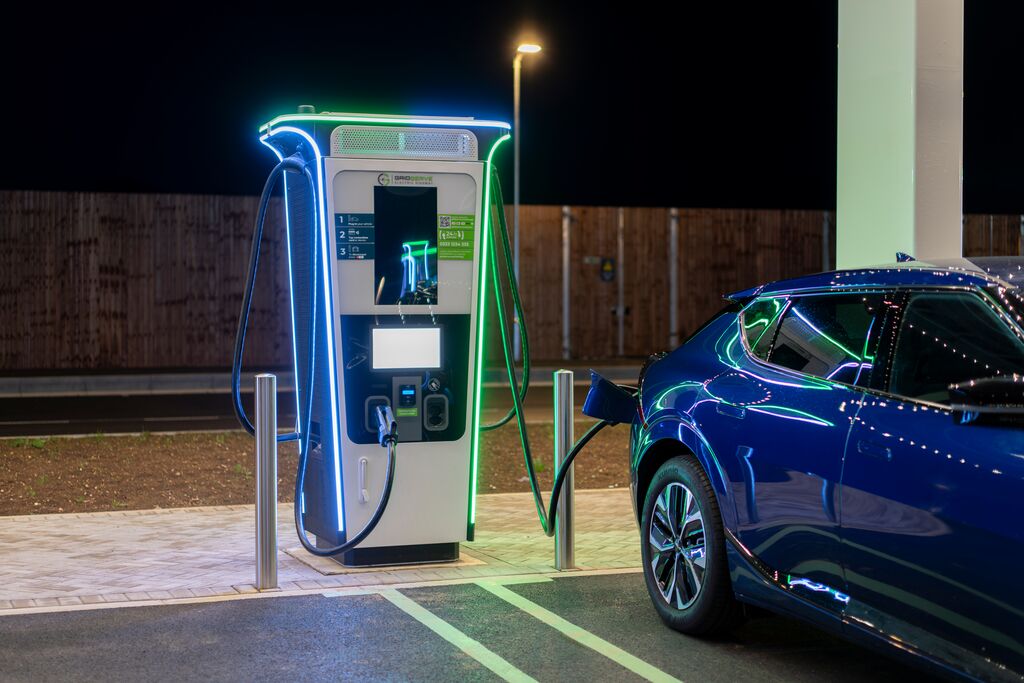
Electric vehicle innovations are rapidly transforming the way the world thinks about transportation. What once felt like a futuristic concept is now a real, everyday experience for millions of drivers across the globe. From smarter batteries to AI-powered driving systems, electric vehicles (EVs) are evolving faster than most people expected.
Just a decade ago, many drivers hesitated to consider EVs because of range anxiety, charging limitations, and high costs. Today, technology is rewriting that story. Modern electric vehicles are becoming more efficient, more affordable, and far more intelligent.
Automakers, technology companies, and energy innovators are working together to build an entirely new ecosystem around electric mobility. Charging networks are expanding, battery technology is improving, and software is making cars smarter with every update.
Behind this transformation lies a wave of groundbreaking engineering, research, and real-world testing. These advances are not only reshaping the auto industry but also influencing global sustainability goals and the future of urban transportation.
The Rapid Evolution of Electric Mobility
The journey toward electric mobility did not happen overnight. Early electric vehicles existed as far back as the late 19th century, but internal combustion engines quickly dominated the market. For many years, electric cars were seen as experimental or niche.
The real turning point arrived when environmental awareness, technological progress, and government policies aligned. Climate concerns pushed governments to encourage cleaner transportation, while advances in lithium-ion batteries made EVs practical for everyday use.
Today, automakers are investing billions into research and development. Major brands are launching new EV models every year, and startups are introducing creative mobility concepts that challenge traditional vehicle design.
The result is a dynamic landscape where electric vehicle innovations are redefining everything from vehicle performance to energy consumption.
Battery Technology: The Heart of Electric Vehicle Progress
Battery technology sits at the center of the electric revolution. Without efficient batteries, electric vehicles simply cannot compete with traditional gasoline cars.
The earliest EV batteries struggled with limited capacity and long charging times. However, recent research has dramatically improved energy density, allowing vehicles to travel much farther on a single charge.
Solid-state batteries represent one of the most exciting developments in this field. Unlike traditional lithium-ion batteries, solid-state versions use solid electrolytes rather than liquid ones. This design significantly increases safety, energy capacity, and charging speed.
Another innovation involves silicon anodes, which can store much more energy than conventional graphite materials. Engineers believe that combining silicon anodes with improved battery chemistry could extend EV ranges beyond 800 kilometers in the near future.
These improvements are key examples of electric vehicle innovations that make EV ownership more convenient and practical for everyday drivers.
Faster Charging Technologies Transforming EV Convenience
Charging used to be one of the biggest obstacles for electric vehicles. Drivers worried about waiting hours to recharge their cars, especially during long trips.
Modern fast-charging technology has dramatically reduced that concern. High-power DC fast chargers can now recharge many EV batteries to 80% capacity in less than 30 minutes.
Some companies are experimenting with ultra-fast charging capable of delivering hundreds of kilometers of range in just a few minutes. This technology could soon make charging an EV nearly as quick as refueling a gasoline vehicle.
Wireless charging is another exciting area of research. Instead of plugging in a cable, drivers can simply park over a charging pad embedded in the ground. Energy transfers wirelessly to the vehicle battery through electromagnetic fields.
These developments demonstrate how electric vehicle innovations are addressing real-world challenges and improving the user experience.
Artificial Intelligence and Smart EV Systems
Modern electric vehicles are not just machines—they are becoming intelligent digital platforms.
Artificial intelligence plays a major role in optimizing EV performance. AI systems monitor battery health, predict energy usage, and help drivers maximize efficiency.
For example, navigation software can now plan routes based on available charging stations, traffic conditions, and battery range. The car can automatically adjust power consumption to ensure the driver reaches the destination safely.
Some EV manufacturers also use machine learning to improve vehicle systems over time. Software updates can enhance acceleration, refine energy management, and even add entirely new features.
These advancements highlight how electric vehicle innovations extend beyond hardware into the realm of smart software and connected mobility.
Regenerative Braking and Energy Recovery
One of the most fascinating aspects of electric vehicles is their ability to recover energy that would normally be lost.
Traditional gasoline cars waste a significant amount of energy as heat when braking. Electric vehicles, however, use regenerative braking systems that convert this kinetic energy back into electricity.
When a driver slows down, the electric motor operates in reverse, acting as a generator. This process sends energy back into the battery, effectively extending the vehicle’s driving range.
Drivers often notice this feature immediately when they first try an EV. The vehicle slows down smoothly while quietly recovering power.
This simple but powerful concept demonstrates how electric vehicle innovations are maximizing efficiency in ways traditional engines never could.
Sustainable Manufacturing and Eco-Friendly Materials
Electric mobility is not only about reducing emissions while driving. Manufacturers are also focusing on making vehicles more sustainable during production.
Car companies are experimenting with recycled materials, bio-based plastics, and environmentally friendly manufacturing processes. Some automakers now use recycled aluminum and ocean plastics in vehicle interiors.
Battery recycling is another critical focus area. Since EV batteries contain valuable materials like lithium, cobalt, and nickel, companies are developing advanced recycling systems to recover these elements.
This approach reduces the need for new mining operations and lowers the environmental impact of battery production.
Sustainability initiatives are an important part of electric vehicle innovations, ensuring the entire lifecycle of an EV supports environmental goals.
Electric Vehicle Innovations in Autonomous Driving
Electric vehicles and autonomous driving technologies often develop side by side. Many EV platforms are designed with advanced sensors, cameras, and computing systems that enable self-driving capabilities.
Autonomous driving systems rely on powerful onboard computers that analyze data from multiple sensors in real time. These systems detect pedestrians, vehicles, and road conditions while making split-second driving decisions.
Electric vehicles provide the perfect foundation for this technology because their digital architecture allows easier integration of advanced software systems.
While fully autonomous cars are still being refined, semi-autonomous features like adaptive cruise control, automated parking, and lane-keeping assistance are already common.
These features show how electric vehicle innovations are merging transportation with artificial intelligence to create smarter and safer roads.
Expanding Charging Infrastructure Worldwide
A major factor in EV adoption is the availability of reliable charging infrastructure. Over the past few years, governments and private companies have made significant investments in building charging networks.
Public charging stations are appearing in shopping centers, highways, parking garages, and residential complexes. Some countries now have thousands of fast-charging points across their road networks.
Smart charging systems also allow drivers to monitor charging progress through mobile apps. Users can locate nearby stations, reserve chargers, and pay digitally.
These improvements reduce range anxiety and make EV ownership more convenient than ever before.
Infrastructure development continues to support the rapid growth of electric mobility and encourages more drivers to transition away from fossil fuels.
Vehicle-to-Grid Technology Changing Energy Systems
Electric vehicles are not just transportation devices—they can also function as energy storage units.
Vehicle-to-Grid (V2G) technology allows EV batteries to send electricity back to the power grid when demand is high. This system can help stabilize energy networks and support renewable power sources like solar and wind.
For example, a parked electric car connected to a charging station can temporarily supply electricity to nearby buildings during peak demand periods. When energy demand drops, the vehicle battery recharges again.
This concept could transform EVs into mobile energy resources that support smart cities and resilient energy systems.
V2G technology represents another powerful direction in electric vehicle innovations, connecting transportation with the broader energy ecosystem.
The Role of Startups and Tech Companies
While traditional automakers remain major players in the EV market, technology startups are also driving remarkable breakthroughs.
Many startups focus on specialized innovations such as battery chemistry, charging technology, or lightweight vehicle design. These companies often move quickly and experiment with unconventional ideas.
Tech companies contribute expertise in artificial intelligence, software development, and advanced computing. Their involvement is accelerating the digital transformation of vehicles.
Collaborations between automakers and technology firms are becoming increasingly common. These partnerships combine engineering expertise with cutting-edge software capabilities.
The result is an ecosystem where innovation happens faster and new ideas reach the market more quickly.
Electric Mobility and Urban Transformation
Cities around the world are rethinking transportation as electric vehicles become more common.
Urban planners are designing infrastructure that supports cleaner mobility, including EV-friendly parking areas and dedicated charging hubs. Some cities are introducing electric buses, delivery vehicles, and shared mobility services.
Electric ride-sharing fleets are also gaining popularity in major urban centers. These services reduce emissions while providing efficient transportation options for residents.
In many ways, electric vehicles are helping cities move toward quieter streets, cleaner air, and smarter transportation systems.
As technology continues to advance, electric mobility will likely become an integral part of sustainable urban development.
What the Future Holds for Electric Vehicle Technology
The pace of innovation in the EV industry suggests that the next decade will bring even more remarkable breakthroughs.
Researchers are exploring battery technologies that could charge in minutes and last for millions of kilometers. Engineers are designing ultra-lightweight materials that improve efficiency while maintaining safety.
Artificial intelligence will continue to enhance vehicle intelligence, making cars more responsive and adaptive to driver behavior. Autonomous driving systems will become increasingly reliable as sensors and algorithms improve.
Meanwhile, renewable energy integration will allow electric vehicles to operate within a fully sustainable energy ecosystem.
The evolution of mobility is far from complete, and electric vehicle innovations will remain at the center of this transformation. As technology, infrastructure, and consumer adoption continue to grow, the world is witnessing the beginning of a transportation revolution that promises cleaner, smarter, and more efficient travel for generations to come.
Read also: