

Vehicle maintenance tips are essential for anyone who wants their car to run smoothly for years. Owning a vehicle is convenient, but it also comes with responsibility. Without proper care, even a reliable car can develop expensive mechanical problems over time.
Many drivers only think about maintenance when something goes wrong. However, regular inspections and simple maintenance habits can prevent most common issues before they become serious.
A well-maintained vehicle not only performs better but also provides greater safety and reliability on the road. Drivers who understand basic maintenance practices often save money and enjoy fewer unexpected repairs.
Learning how to take care of a car properly can make a big difference in long-term vehicle performance.
Table of Contents
ToggleWhy regular vehicle maintenance matters
Every vehicle contains thousands of components working together to keep the engine running and the wheels moving. Over time, these components experience wear and tear from daily driving.
Heat, friction, road conditions, and environmental factors gradually affect the performance of mechanical systems. Without proper attention, small issues can grow into larger mechanical failures.
Following practical vehicle maintenance tips helps drivers identify problems early and address them before they cause serious damage.
Routine maintenance also improves fuel efficiency, which helps reduce operating costs over time.
Drivers who stay consistent with maintenance schedules often enjoy smoother driving experiences and fewer breakdowns.
Understanding your vehicle’s maintenance schedule
One of the most important responsibilities of a car owner is understanding the manufacturer’s maintenance schedule. Every vehicle comes with recommended service intervals designed to keep systems running efficiently.
These schedules usually include oil changes, filter replacements, brake inspections, and fluid checks.
Ignoring these recommended intervals can lead to premature wear on important engine components.
Drivers who follow reliable vehicle maintenance tips often use their vehicle manual as a guide for routine maintenance tasks.
By following these guidelines, drivers can ensure their vehicles receive the care they need at the right time.
The importance of regular oil changes
Engine oil plays a critical role in protecting internal engine components. It lubricates moving parts, reduces friction, and helps regulate engine temperature.
Over time, oil becomes contaminated with dirt and metal particles. As a result, it gradually loses its ability to provide proper lubrication.
When oil becomes too dirty, engine parts may experience increased wear and overheating.
For this reason, many vehicle maintenance tips emphasize the importance of changing engine oil at regular intervals.
Keeping fresh oil in the engine ensures smoother operation and helps extend the life of critical components.
Monitoring tire condition and pressure
Tires are the only part of a vehicle that directly contacts the road. Their condition significantly affects safety, fuel efficiency, and driving comfort.
Proper tire pressure ensures even wear and optimal traction. Underinflated tires can reduce fuel efficiency and increase the risk of blowouts.
Tread depth is also important for maintaining grip on wet or slippery roads.
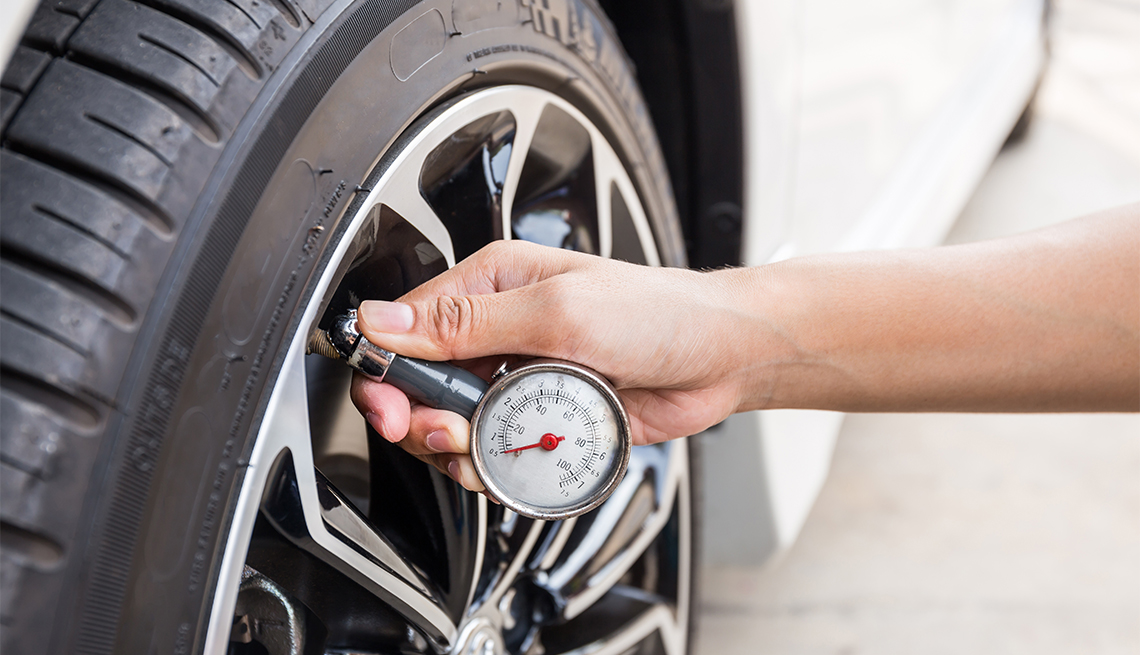
Drivers who follow essential vehicle maintenance tips often check their tire pressure regularly and rotate their tires to promote even wear.
Healthy tires contribute to better handling and improved safety during daily driving.
Keeping the braking system in good shape
A vehicle’s braking system is one of its most important safety features. Reliable brakes allow drivers to stop quickly and avoid accidents.
Brake pads naturally wear down over time because they create friction against the brake rotors. When pads become too thin, braking performance may decrease.
Unusual noises, such as squeaking or grinding, often indicate worn brake components.
Following smart vehicle maintenance tips helps drivers recognize these warning signs early and replace brake components before they compromise safety.
Routine brake inspections ensure that the braking system continues to operate effectively.
Maintaining vehicle fluids for smooth performance
Vehicles rely on several fluids to operate properly. Each fluid plays a specific role in supporting different mechanical systems.
Coolant helps regulate engine temperature, while transmission fluid supports smooth gear shifting.
Brake fluid allows the braking system to function properly by transferring pressure from the brake pedal to the brake components.
Regularly checking fluid levels helps prevent leaks or contamination from causing mechanical problems.
Many experienced drivers rely on trusted vehicle maintenance tips to remember the importance of maintaining proper fluid levels.
Clean fluids help keep mechanical systems operating efficiently.
Battery care and electrical health
The battery provides the electrical energy required to start the engine and power various electronic systems within the vehicle.
Over time, batteries lose their ability to hold a charge. Extreme weather conditions and frequent short trips can accelerate battery wear.
Drivers should inspect battery terminals regularly for corrosion and ensure connections remain tight.
Weak batteries often cause slow engine starts or flickering lights.
Applying practical vehicle maintenance tips related to battery care can help drivers avoid inconvenient breakdowns caused by electrical issues.
Replacing aging batteries before they fail helps maintain reliable vehicle operation.
Paying attention to warning lights and unusual sounds
Modern vehicles are equipped with dashboard warning lights that alert drivers when systems require attention. These indicators provide valuable information about potential issues.
Ignoring warning lights can lead to more serious mechanical problems. A simple sensor alert might indicate an issue that needs quick attention.
Unusual sounds such as knocking, grinding, or squealing should also be investigated promptly.
Drivers who follow effective vehicle maintenance tips understand the importance of responding quickly to these warning signals.
Taking action early can prevent small problems from turning into expensive repairs.
Keeping the exterior and interior clean
Vehicle maintenance is not limited to mechanical systems. Keeping the exterior and interior clean also contributes to long-term vehicle condition.
Dirt, road salt, and environmental contaminants can damage paint surfaces and cause rust over time.
Regular washing and waxing protect the vehicle’s exterior finish. Cleaning the interior helps maintain comfort and prevents damage to upholstery.
Many vehicle maintenance tips include regular cleaning as part of overall vehicle care.
A well-maintained vehicle not only runs better but also looks better and retains its value.
Professional inspections and servicing
While many maintenance tasks can be performed by drivers themselves, professional inspections are still important.
Certified technicians have specialized tools and knowledge that allow them to identify issues that may not be visible to the average driver.
Periodic servicing helps detect worn components, fluid leaks, or alignment problems that require attention.
Drivers who consistently apply practical vehicle maintenance tips often combine their own routine checks with professional servicing.
This balanced approach ensures that the vehicle remains in excellent condition.
Developing long-term maintenance habits
Maintaining a vehicle properly is less about occasional repairs and more about developing consistent habits.
Small maintenance tasks performed regularly can prevent many common mechanical problems.
Drivers who check fluids, monitor tire pressure, and listen for unusual sounds often catch issues before they escalate.
By following dependable vehicle maintenance tips, car owners develop a routine that keeps their vehicles running smoothly.
Consistent care helps extend vehicle lifespan, improve performance, and ensure safer driving experiences for years to come.
Read also: