

Bold contrasting color combos are the secret weapon of designers who want to break away from the safety of neutrals and create something truly unforgettable. In a world where beige and “greige” have dominated our living rooms and websites for a decade, choosing to pair high-voltage hues is a radical act of self-expression. It is about understanding that some colors are not just different—they are opposites that, when brought together, ignite a visual spark that captures the human eye instantly. This isn’t just about making things “bright” but about leveraging the physics of light and the psychology of perception to evoke a specific emotional response.
I remember walking into a small boutique hotel in Mexico City several years ago that changed my entire perspective on color. The lobby featured deep, velvety cobalt blue walls paired with chairs in a searing, sun-drenched orange. On paper, it sounded like it might be too much, but in reality, it felt electric and alive. The orange didn’t just sit there; it seemed to vibrate against the blue, making the space feel both intimate and expansive at the same time. This is the magic of high contrast—it creates a sense of depth and energy that monochromatic schemes simply cannot replicate.
The foundation of choosing successful bold contrasting color combos lies in the traditional color wheel, specifically the concept of complementary colors. These are the pairs that sit directly across from one another, such as red and green, yellow and purple, or blue and orange. Because they are complete opposites, they provide the highest possible contrast, which means they stimulate the photoreceptors in our eyes in a way that feels particularly satisfying. When you use them correctly, you aren’t just decorating; you are composing a visual symphony where every note is clear and distinct.
However, the leap from understanding the theory to applying it in real life can feel daunting for many. There is a common fear that going too bold will result in a space that feels chaotic or, worse, “clownish.” The key to avoiding this pitfall is balance and the strategic use of what I call “the mediator.” A mediator is a neutral or a muted version of a primary color that allows the two heavy hitters to coexist without fighting for dominance. By mastering this balance, you can create a look that is daring but sophisticated, proving that you have the confidence to handle the full spectrum of design.
One of the most effective ways to use high-contrast pairs is through the 60-30-10 rule, but with a vibrant twist. Instead of choosing three muted shades, you select one dominant bold color for sixty percent of the space, a secondary contrasting color for thirty percent, and a final accent color for the remaining ten percent. For instance, imagine a room with deep forest green walls, a vibrant magenta sofa, and small gold accents. The green provides a grounded base, the magenta creates the focal point, and the gold adds just enough sparkle to tie everything together without adding more visual noise.
Finding the Right Bold Contrasting Color Combos for Your Home
When we transition from professional design studios to our own homes, the stakes often feel higher because we have to live with those choices every day. A great place to start experimenting with high contrast is in “transient” spaces like powder rooms, entryways, or even the inside of a pantry. These are areas where you spend less time, allowing you to be more adventurous without the risk of visual fatigue. I once saw a small home office where the owner painted the bookshelves a bright lime green against a navy blue wall. It turned a dark, boring corner into a place that felt fueled by creativity and focus.
In larger living areas, you can achieve contrast through textiles and art rather than permanent paint choices. A charcoal gray living room might feel standard until you add a pair of mustard yellow velvet armchairs and a piece of abstract art featuring deep purples and oranges. This approach allows the bold contrasting color combos to breathe. The neutral backdrop acts like a stage for the colors to perform their best. It’s a way of being bold that feels curated and intentional rather than accidental or overwhelming.
We should also consider the role of black and white as the ultimate high-contrast pair. While they aren’t “colors” in the traditional chromatic sense, they are the foundation of contrast. Using black and white as a base allows you to introduce a third, searingly bright color—like electric yellow or neon pink—and have it look incredibly chic. This “graphic” style is often seen in high-end fashion and modern art galleries because it forces the eye to focus exactly where the designer intends. It is a lesson in precision and power.
If you are looking for a more organic way to find inspiration, look no further than nature. Think of a bright red cardinal sitting on a snow-covered pine branch or a field of lavender beneath a golden sunset. Nature has been perfecting these color pairings for millions of years, and they rarely feel “too much” because there is always a sense of proportion. By observing these natural occurrences, you can learn how much of each color is necessary to create a feeling of harmony. You’ll notice that the most vibrant color is often the one used in the smallest amount, acting as the “heart” of the scene.
The Psychology Behind High-Voltage Design
The way we perceive bold contrasting color combos is deeply tied to our evolution. In the wild, high contrast often signifies something important—a poisonous berry, a ripe fruit, or a predator’s stripes. This is why our brains are hardwired to notice contrast before we notice anything else. In a design context, this means that bold colors can actually improve our mood and energy levels. A room with high contrast can act as a psychological “pick-me-up,” making it ideal for spaces where you want to feel productive or social.
Conversely, it is important to understand that contrast also creates tension. This tension is what makes a design feel “edgy” or “modern.” If you want a bedroom to feel like a tranquil spa, you might want to avoid the highest levels of contrast. But if you want a kitchen that feels like the heart of a bustling family home, a pairing of turquoise cabinets and coral accents can create a sense of joy and movement. It is all about matching the color energy to the function of the room. You wouldn’t wear a tuxedo to a backyard barbecue, and you wouldn’t use high-contrast neon in a meditation room.
In the world of digital design and branding, contrast is even more critical. Brands like FedEx (purple and orange) or IKEA (blue and yellow) use high-contrast pairs because they want their logos to be recognizable from a distance. They want to stand out in a crowded marketplace where everyone is competing for a few seconds of your attention. This same logic applies to your personal brand or your website. Using a high-contrast button on a clean background is a proven way to guide a user’s journey. It is a functional use of color that goes beyond just looking pretty.
Accessibility is another vital factor that is often overlooked. High contrast isn’t just an aesthetic choice; for many people with visual impairments, it is a necessity. A design that uses bold contrasting color combos is often more readable and easier to navigate than one that relies on subtle gradients. This is a great example of how good design is also inclusive design. By choosing colors that are distinct from one another, you are ensuring that your message can be received by the widest possible audience, regardless of their visual acuity.
When you begin to work with these colors, you might find that your perception of light changes. A bright red will look different when placed next to a soft gray than it does when placed next to a vivid cyan. This phenomenon is known as “simultaneous contrast.” The colors actually influence each other, changing how our brain interprets their saturation and brightness. This is why it is so important to see your color swatches next to each other in the actual light of the room where they will be used. A pair that looks great in a brightly lit store might look muddy in a dim hallway.
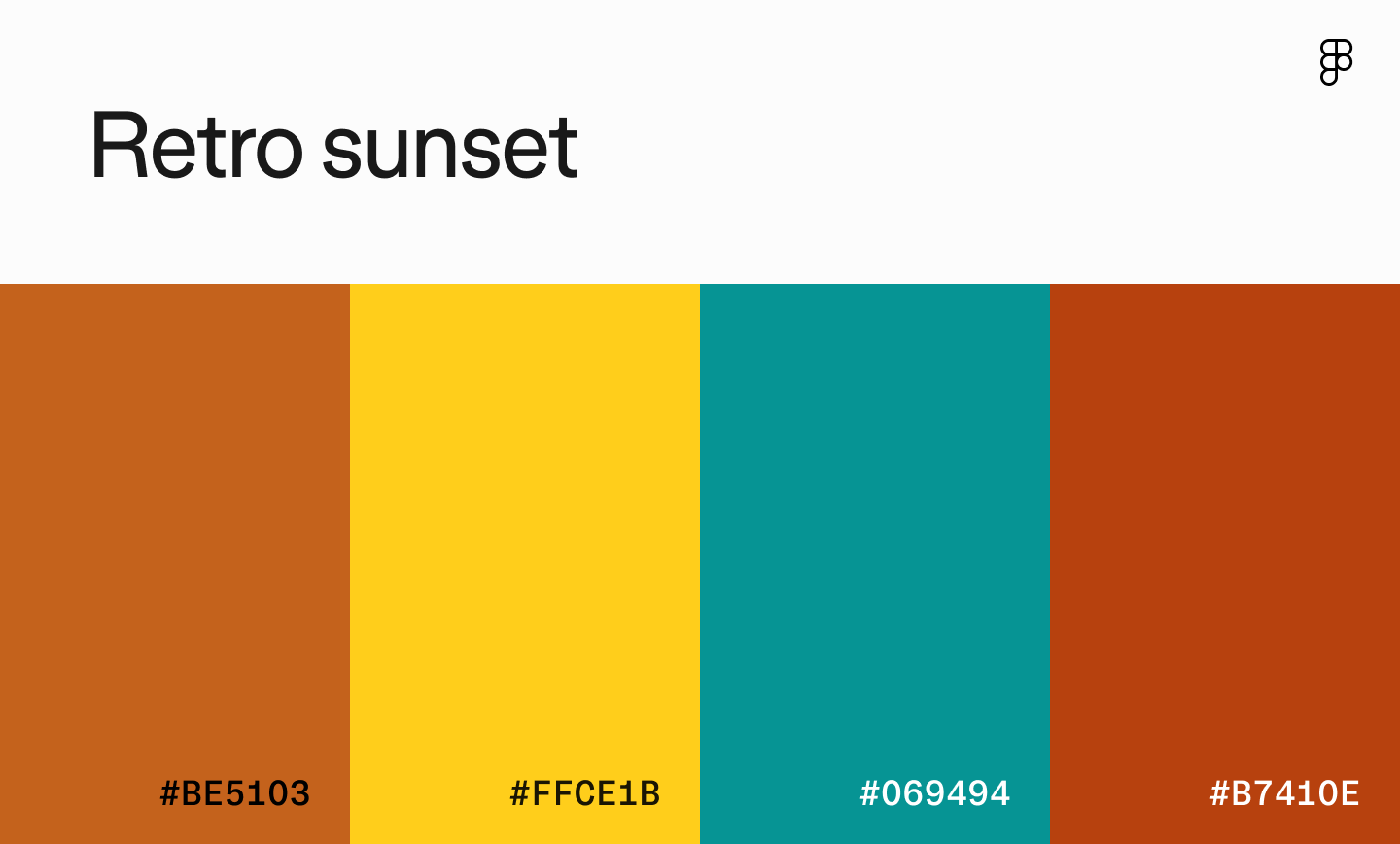
Storytelling through color is also a powerful tool. You can use a specific palette to evoke a certain era or a specific part of the world. A combination of teal and burnt orange might remind you of Mid-Century Modern design or the aesthetic of the 1970s. A pairing of lavender and mint green might evoke the feeling of a spring garden or the Rococo period. By choosing bold contrasting color combos that have a historical or cultural resonance, you add a layer of depth to your design that makes it feel like it has a story to tell. It moves from being just a room to being an experience.
We should also talk about the “fear of the dark.” Many people avoid using dark, bold colors because they are afraid the room will look smaller. However, the opposite is often true. A dark color on the walls can make the boundaries of a room disappear, especially when paired with a bright, contrasting floor or ceiling. This creates a “jewelry box” effect where the space feels precious and curated. The contrast between the dark walls and the bright accents actually creates more visual interest and a sense of luxury that a light-colored room can struggle to achieve.
Furthermore, the materials you choose will influence how the colors interact. A glossy finish will reflect light and make a color appear more vibrant, while a matte finish will absorb light and make the color feel more grounded and deep. Pairing a matte navy blue wall with high-gloss orange accessories creates a contrast not just in color, but in texture and light reflection. This “multi-sensory” contrast is what makes a room feel professional and layered. It’s the difference between a flat image and a three-dimensional world.
As you become more comfortable with these concepts, you can start to explore “triadic” color schemes. These involve choosing three colors that are equally spaced around the color wheel, such as red, yellow, and blue. This creates a very vibrant and balanced look that is even more complex than simple complementary pairs. It’s like moving from a duet to a trio. The key is to let one color take the lead while the other two act as supporting characters. This prevents the “clutter” feeling while maintaining the high-energy vibe that bold colors provide.
In the realm of fashion, color blocking is the ultimate expression of high contrast. Wearing a bright yellow blazer with royal blue trousers is a power move that radiates confidence. It tells the world that you aren’t afraid to be seen and that you have a firm grasp on your own identity. Fashion is often where we see the most experimental color work first, which then trickles down into interior design and home decor. Paying attention to the runway can give you a head start on the next wave of “it” color combinations.
I remember a client who was terrified of anything other than white walls. We started small, by painting just the inside of her front door a vibrant, glossy raspberry red against her otherwise gray exterior. Every time she came home, that pop of color made her smile. Within six months, she had added navy blue chairs and emerald green cushions to her living room. She realized that color wasn’t a threat; it was a source of energy. It gave her home a personality that matched her own vibrant spirit, something that the all-white walls had been suppressing for years.
The journey into the world of color is a personal one. What feels like a “bold” choice to one person might feel perfectly normal to another. The goal is to find the level of contrast that makes you feel the most at home. Whether that is a high-octane mix of neon colors or a more grounded pairing of deep, earthy tones, the principles of contrast remain the same. It is about creating a visual dialogue between different elements and finding the harmony within the opposition.
As you look at your own home or your next design project, I encourage you to ask yourself where you can introduce a bit more “tension.” Is there a corner that feels a bit flat? A wall that is fading into the background? Maybe it just needs a partner—a color from the opposite side of the wheel to wake it up. Don’t be afraid to make a mistake; paint can always be covered, and pillows can always be swapped. The only true mistake in design is staying so safe that you never discover what truly excites you.
Using bold contrasting color combos is ultimately about joy. It is about celebrating the incredible variety of the visible world and refusing to settle for a life lived in grayscale. It takes a little bit of knowledge and a whole lot of courage, but the results are always worth it. You are creating a space that is as unique as a thumbprint and as energetic as a heartbeat. So, go ahead and grab that orange chair for your blue room. Put that yellow lamp next to your purple curtains. The world is full of color—it’s time to start using all of it.
If you are feeling overwhelmed, remember that you don’t have to do everything at once. Start with a single “vignette”—a coffee table, a bookshelf, or a bedside setup. Arrange a few objects in contrasting colors and see how they make you feel. Do they draw your eye? Do they make the space feel more intentional? Once you see the power of contrast on a small scale, you will find the confidence to apply it to larger areas. Design is a skill that is built through observation and iteration, and color is the most fun part of the entire process.
In the end, the best designs are the ones that reflect the people who live in them. If you are a bold, vibrant person, your home should reflect that. If you are someone who loves the unexpected, your color choices should reflect that too. Contrast is just a tool to help you tell your story more clearly. It’s the exclamation point at the end of a sentence. It’s the spark that turns a house into a home and a design into a work of art. Embrace the contrast, and let your true colors shine through.
Read also :-