

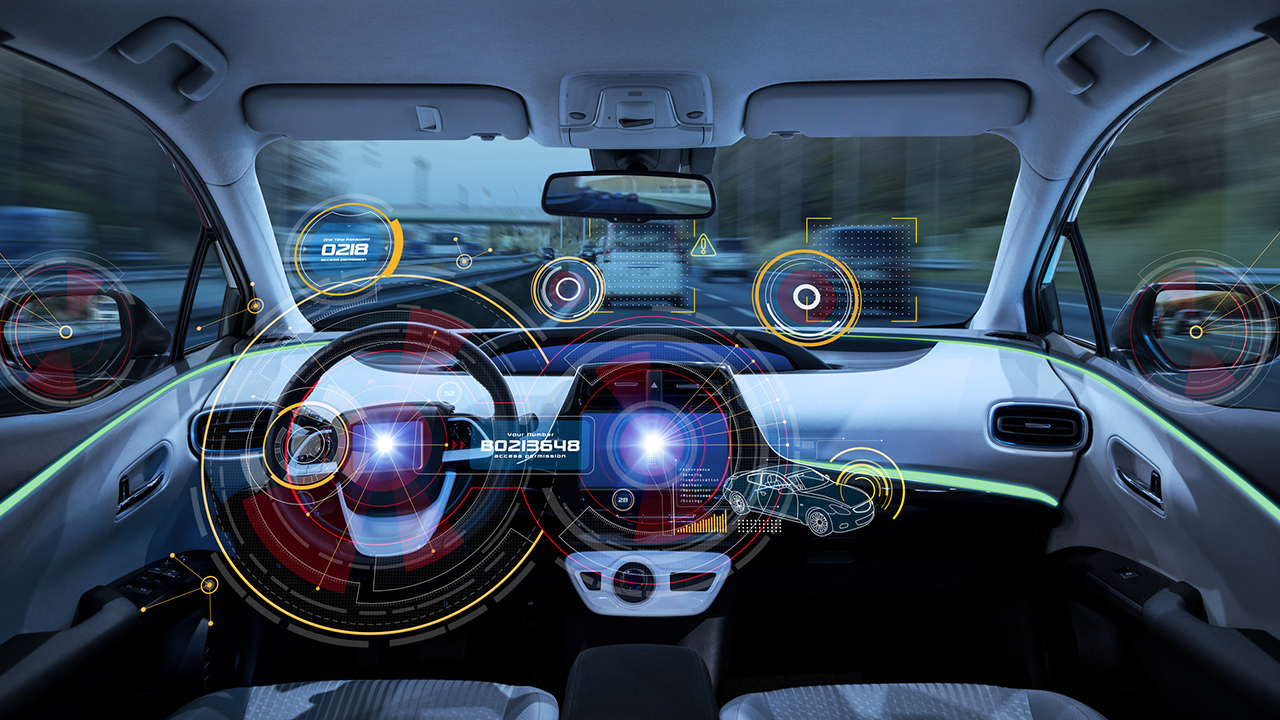
connected cars IoT are redefining how vehicles interact with the world around them. What used to be a simple machine designed for transportation has now evolved into a smart, connected device capable of communicating, learning, and adapting in real time.
Imagine driving to work while your car updates you about traffic conditions, suggests the fastest route, and even syncs with your calendar to ensure you’re never late. This level of intelligence is made possible by the integration of the Internet of Things (IoT) into modern vehicles.
As technology continues to advance, connected cars are becoming an essential part of the digital ecosystem, transforming not just how we drive, but how we live.
Table of Contents
ToggleUnderstanding the Concept of Connected Cars
The idea behind connected cars IoT is simple yet powerful. Vehicles are equipped with internet connectivity and sensors that allow them to communicate with other devices, systems, and infrastructure.
These cars can exchange data with smartphones, traffic systems, cloud platforms, and even other vehicles. This constant flow of information helps improve safety, efficiency, and convenience.
For example, if there is an accident ahead, your car can receive real-time updates and automatically suggest an alternative route. This proactive approach reduces delays and enhances the overall driving experience.
How IoT Powers Connected Vehicles
At the heart of connected cars IoT is a network of sensors, software, and communication technologies working together seamlessly. These systems collect data from the vehicle’s surroundings and internal components.
The data is then processed using cloud computing and artificial intelligence to provide actionable insights. This could include navigation assistance, predictive maintenance alerts, or even driver behavior analysis.
Connectivity technologies such as 4G, 5G, and Wi-Fi enable fast and reliable data transmission, ensuring that vehicles stay updated at all times.
This integration of IoT allows cars to function as part of a larger, interconnected system, rather than standalone machines.
Real-Time Data and Smarter Decisions
One of the most impactful aspects of connected cars IoT is the ability to use real-time data for better decision-making. Modern vehicles can analyze traffic conditions, weather updates, and road hazards instantly.
This information helps drivers make informed choices, reducing travel time and improving safety. In some cases, the car itself can take action, such as adjusting speed or rerouting to avoid congestion.
For instance, during heavy traffic, a connected car can recommend a less crowded route, saving both time and fuel.
This level of intelligence transforms everyday driving into a more efficient and stress-free experience.
Enhanced Safety Through Connectivity
Safety is a major benefit of connected cars IoT. By constantly monitoring the environment and sharing information, these vehicles can help prevent accidents before they happen.
Features like collision warnings, emergency alerts, and vehicle-to-vehicle communication ensure that drivers are always aware of potential risks.
In the event of an accident, connected cars can automatically notify emergency services, providing location details and reducing response time.
These advancements not only protect drivers but also contribute to safer roads for everyone.
Seamless Integration With Smart Devices
Another exciting aspect of connected cars IoT is their ability to integrate with other smart devices. Your car can connect with your smartphone, smartwatch, or even your home automation system.
Imagine leaving your office and remotely starting your car’s engine or adjusting the air conditioning before you step inside. Similarly, your car can communicate with your smart home to turn on lights or adjust the thermostat as you approach.
This level of integration creates a seamless digital experience, making everyday tasks more convenient and efficient.
Predictive Maintenance and Cost Savings
Maintenance has always been a crucial part of vehicle ownership, and connected cars IoT are making it smarter and more efficient. By continuously monitoring the vehicle’s health, these systems can predict potential issues before they become serious problems.
Drivers receive alerts about necessary maintenance, such as oil changes or tire pressure adjustments, helping them avoid costly repairs.
This proactive approach not only extends the lifespan of the vehicle but also reduces unexpected breakdowns, ensuring a smoother driving experience.
The Role of Cloud and Big Data
Cloud computing and big data play a significant role in the success of connected cars IoT. Massive amounts of data generated by vehicles are stored and analyzed in the cloud.
This data helps improve navigation systems, enhance safety features, and optimize vehicle performance. It also enables manufacturers to understand user behavior and develop better products.
As more vehicles become connected, the amount of data will continue to grow, creating new opportunities for innovation and improvement.
Connected Cars IoT and Smart Cities
The impact of connected cars IoT extends beyond individual vehicles to entire cities. As urban areas become smarter, connected cars will play a key role in improving transportation systems.
Traffic signals, parking systems, and public transport can all communicate with connected vehicles, creating a more efficient and organized flow of traffic.
For example, a connected car can receive information about available parking spaces, reducing the time spent searching for parking.
This integration not only saves time but also reduces congestion and pollution in urban areas.
Entertainment and In-Car Experience
Driving is no longer just about reaching a destination, thanks to connected cars IoT. Modern vehicles offer advanced infotainment systems that provide entertainment, navigation, and connectivity all in one place.
Passengers can stream music, watch videos, or even attend virtual meetings while on the move. Voice assistants make it easy to control these features without taking attention away from the road.
This enhanced in-car experience transforms vehicles into mobile living spaces, making long journeys more enjoyable.
Security and Privacy Challenges
While connected cars IoT offer numerous benefits, they also raise concerns about security and privacy. Connected vehicles collect and process large amounts of data, which must be protected from unauthorized access.
Cybersecurity measures are essential to prevent hacking and ensure the safety of both the vehicle and its occupants.
Manufacturers are investing heavily in secure systems and encryption technologies to address these challenges and build trust among users.
The Future of Connected Cars IoT
The future of connected cars IoT is filled with exciting possibilities. As technology continues to evolve, vehicles will become even more intelligent and interconnected.
Advancements in 5G connectivity will enable faster data transmission, allowing for real-time communication between vehicles and infrastructure.
Autonomous driving technology will also benefit from IoT integration, creating a seamless and efficient transportation system.
In the coming years, connected cars are expected to become the standard rather than the exception, reshaping the automotive industry.
Why Connected Cars IoT Matter Today
The importance of connected cars IoT lies in their ability to transform mobility into a smarter, safer, and more efficient experience. They bridge the gap between technology and transportation, creating new opportunities for innovation.
From improving road safety to enhancing user convenience, connected cars are addressing some of the biggest challenges in modern transportation.
As adoption continues to grow, the benefits of connected vehicles will become more evident, influencing how people travel and interact with their environment.
A Day With Connected Cars in Real Life
Imagine starting your morning with connected cars IoT guiding your day. Your car syncs with your schedule, plans your route, and keeps you updated about traffic conditions.
During your journey, it communicates with other vehicles and infrastructure, ensuring a smooth and safe ride. If any issue arises, the system alerts you immediately and provides solutions.
By the time you reach your destination, you realize how effortless driving has become.
This transformation is not just about technology—it’s about creating a connected lifestyle where vehicles play a central role in making everyday life easier and more efficient.
Read also: