

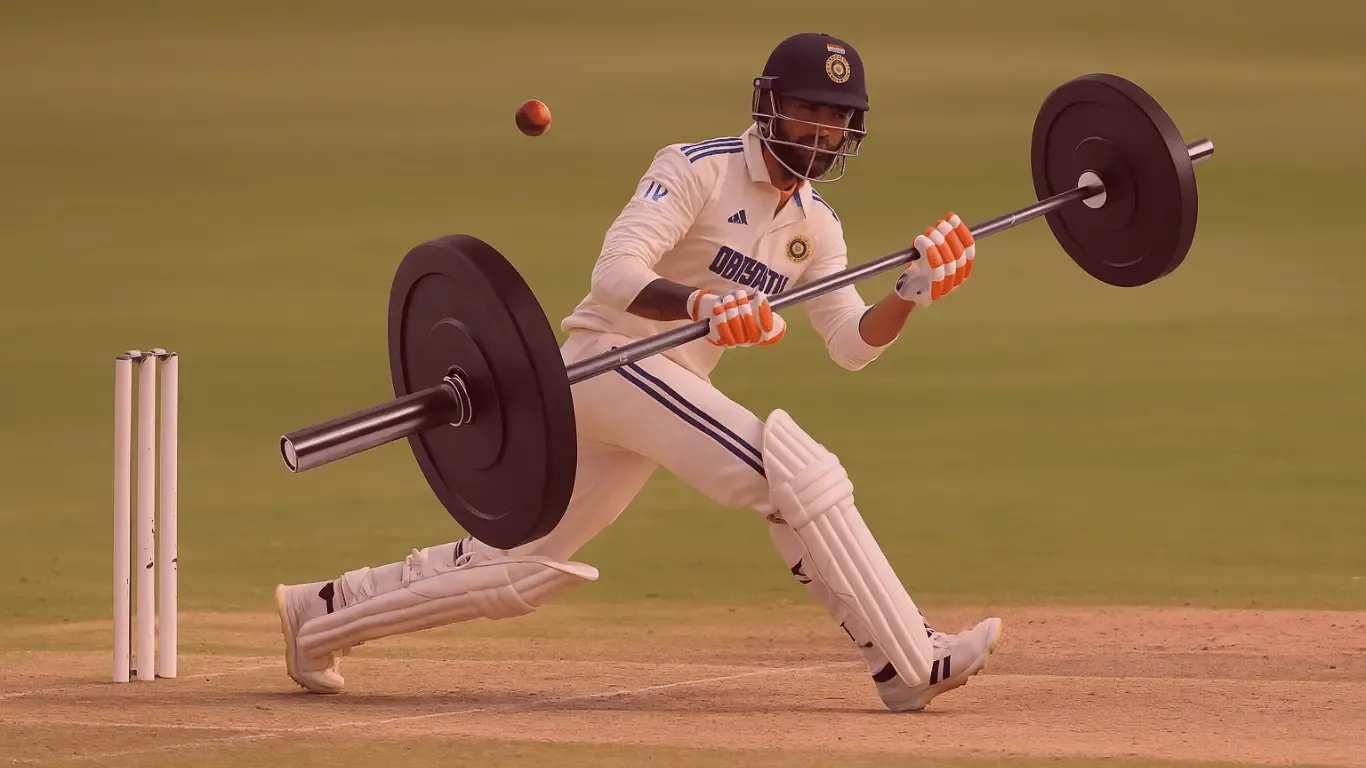
Cricket Strength Training has transformed from an optional supplement into an essential component of every serious cricketer’s preparation regimen. Gone are the days when players relied solely on natural talent and technical skill, as today’s competitive cricket demands athletes who combine technical mastery with physical prowess that can only be developed through systematic strength work.
I watched a talented young batsman in my local club struggle for two seasons despite having textbook technique. His cover drives looked beautiful in slow motion, but against pace bowlers exceeding 130 kilometers per hour, he simply couldn’t generate enough bat speed to pierce the field. After six months of dedicated gym work focusing on explosive power and rotational strength, he transformed into a different player entirely. Suddenly, those same elegant strokes produced boundaries instead of gentle pushes to fielders.
Understanding Why Cricketers Need Specialized Strength Training
Cricket presents unique physical demands that generic fitness programs fail to address adequately. The sport requires explosive power for batting and fast bowling, sustained endurance for long innings and bowling spells, rotational strength for powerful shot-making, and injury resilience to withstand repetitive stress across entire seasons.
Traditional bodybuilding approaches that prioritize muscle size over functional strength often hinder cricket performance rather than enhance it. A batsman with excessive upper body muscle mass might lose the fluidity and timing essential for elegant stroke play. A fast bowler focused purely on bench press strength might develop shoulder imbalances predisposing them to injury.
Cricket-specific strength development focuses on movement patterns actually used during play. Rotational power exercises mimic the torso rotation during batting and bowling. Single-leg stability work replicates the balance required during delivery stride and shot execution. Core strength training supports the force transfer from ground through kinetic chain into bat or ball.
The injury prevention dimension of strength work cannot be overstated. Fast bowling places enormous stress on the lumbar spine, shoulders, and ankles. Batting demands sudden accelerations and decelerations while running between wickets. Fielding involves explosive sprints, diving, and throwing from awkward positions. Appropriate strength training prepares bodies to handle these stresses without breaking down.
Fundamental Principles of Effective Cricket Strength Training
Successful Cricket Strength Training programs follow established principles ensuring training translates into on-field performance improvements rather than just gym numbers. Progressive overload gradually increases training stress, allowing physiological adaptation without overwhelming recovery capacity.
Specificity ensures exercises develop qualities directly applicable to cricket. A squat builds general lower body strength, but a single-leg Romanian deadlift develops the specific posterior chain strength and balance required during bowling delivery stride. Both have value, but the latter transfers more directly to cricket performance.
Periodization structures training into distinct phases emphasizing different qualities throughout the year. Off-season phases might focus on building foundational strength and muscle mass. Pre-season transitions toward power development and speed. In-season training maintains gains while managing fatigue from matches and practice.
Individual variation recognition acknowledges that different players need different approaches. A 19-year-old fast bowler with limited training history requires different programming than a 28-year-old all-rounder with five years of gym experience. Age, training maturity, injury history, and specific cricket role all influence optimal programming.
Recovery integration ensures training enhances rather than compromises cricket performance. Scheduling high-intensity leg sessions immediately before crucial matches would sabotage on-field performance. Smart programs time demanding workouts appropriately, allowing adequate recovery before competitions.
Essential Lower Body Strength Exercises for Cricket Performance
Lower body power forms the foundation for nearly every cricket skill. Batting power originates from legs driving into the ground. Bowling pace comes primarily from the kinetic chain starting with lower body force generation. Explosive fielding requires rapid acceleration from powerful leg muscles.
Squatting variations develop fundamental lower body strength applicable across all cricket disciplines. Back squats build overall strength and muscle mass. Front squats emphasize quadriceps while teaching upright torso position. Goblet squats provide accessible entry points for beginners while reinforcing proper movement patterns.
Deadlift variations strengthen the entire posterior chain including hamstrings, glutes, and lower back muscles critical for cricket performance. Conventional deadlifts build raw strength. Romanian deadlifts target hamstring development. Trap bar deadlifts provide a more accessible alternative reducing lower back stress while still developing powerful hip extension.
Single-leg exercises address the reality that cricket rarely involves bilateral movement. Batsmen stride onto the front foot for drive shots. Bowlers plant forcefully on their front leg during delivery. Bulgarian split squats, single-leg deadlifts, and step-ups develop the unilateral strength, balance, and stability essential for these movements.
Plyometric training develops the explosive power that separates good players from great ones. Box jumps train rapid force production. Broad jumps develop horizontal power applicable to acceleration while running between wickets. Single-leg hops build reactive strength needed for quick directional changes while fielding.
Upper Body Strength Development for Batting and Bowling Power
Cricket Strength Training for the upper body focuses on building strength that enhances rather than inhibits the fluid movements cricket demands. Pressing movements develop pushing strength applicable to batting follow-through and throwing power.
Horizontal pressing exercises like bench press variations build chest and tricep strength. However, cricketers should emphasize variations like dumbbell presses that allow natural shoulder movement rather than barbell versions that fix the shoulder path. Push-ups and their variations provide excellent foundational pressing strength while engaging core stability.
Vertical pressing movements like overhead press variations strengthen shoulders through their full range of motion. This comprehensive shoulder development provides injury protection while building functional strength. Landmine presses offer a cricket-specific pressing angle mimicking the overhead throwing motion fielders use.
Pulling exercises balance pressing work while developing the back strength essential for posture and injury prevention. Rows in various forms strengthen the muscles supporting shoulder health and rotational power. Pull-ups and chin-ups build genuine upper body strength while requiring core stability and body control.
Rotational exercises specifically target the core muscles driving batting power and bowling velocity. Medicine ball throws in various directions train explosive rotation. Cable chops and lifts build rotational strength through full ranges of motion. Landmine rotations combine resistance with the actual rotational patterns used during cricket skills.
Core Stability and Rotational Power Training
The core functions as the critical link transferring force from lower body through torso into upper body and eventually into bat or ball. Weak or unstable cores leak power, reducing performance while increasing injury risk throughout the kinetic chain.
Anti-rotation exercises teach the core to resist unwanted movement, providing stability during dynamic actions. Pallof presses challenge core stability while standing, simulating the positions encountered during batting and bowling. Dead bugs and bird dogs develop fundamental stability in more controlled positions.
Anti-extension work prevents excessive lower back arching that compromises both performance and safety. Plank variations of all types strengthen the anterior core. Ab wheel rollouts provide advanced anti-extension challenges. These exercises protect the lumbar spine from the extension stresses inherent in fast bowling.
Anti-lateral flexion exercises prevent side-to-side core collapse. Side planks and suitcase carries build the lateral core strength maintaining upright posture during asymmetrical loading. This stability proves crucial for bowlers managing the one-sided stress of their action.
Dynamic rotation training develops the explosive rotational power driving batting and bowling performance. Medicine ball rotational throws express maximum power. Cable rotations build strength through full movement ranges. These exercises directly improve the force application during cricket-specific skills.
Mobility and Flexibility Work Supporting Strength Gains
Strength without adequate mobility creates dysfunction rather than performance enhancement. Cricket Strength Training programs must include mobility work ensuring joints move freely through ranges required by cricket skills.
Hip mobility proves particularly crucial for cricketers. Batsmen need hip mobility for full stride length on drive shots. Bowlers require hip range of motion for unrestricted bowling actions. Targeted hip flexor stretches, 90-90 positions, and hip controlled articular rotations maintain and improve hip function.
Thoracic spine mobility enables the trunk rotation essential for powerful batting and effective bowling. Modern lifestyles promote thoracic stiffness that limits rotational ability. Foam rolling, thoracic extensions over foam rollers, and rotation-specific mobility drills restore and maintain thoracic mobility.
Shoulder mobility and stability balance proves essential for throwing, bowling, and injury prevention. Cricketers need stable shoulder joints that still move freely through large ranges. Shoulder circles, band pull-aparts, and specific mobility drills maintain healthy shoulder function despite cricket’s demanding overhead movements.
Ankle mobility affects everything from bowling run-ups to batting footwork. Limited ankle dorsiflexion restricts stride length and creates compensatory movement patterns throughout the kinetic chain. Regular ankle mobility work through various ranges supports optimal movement quality.
Designing Cricket-Specific Training Programs for Different Roles
Fast bowlers require programs emphasizing explosive power, posterior chain strength, and injury resilience. Their training prioritizes exercises developing the forceful hip extension and core stability essential for pace generation while protecting commonly injured areas like the lower back and shoulders.
A fast bowler’s weekly program might include two lower body sessions focusing on squats, deadlifts, and single-leg work, one upper body session emphasizing pulling movements and shoulder health, and consistent core training. Plyometric work develops the reactive strength needed for dynamic bowling actions.
Batsmen need programs building rotational power, bat speed, and the endurance to maintain performance across long innings. Their strength work emphasizes exercises that enhance without compromising the fluidity cricket batting demands.
Batting-focused programs often include three weekly sessions balancing lower body power work, upper body strength maintaining muscle balance, and extensive core training developing rotational power. Medicine ball work and Olympic lifting variations teach explosive force production applicable to powerful shot-making.
Spin bowlers require different emphasis than fast bowlers, focusing more on finger and wrist strength, shoulder stability, and the specific core strength supporting their unique actions. Their programs include more wrist curls, finger strength work, and rotational exercises matching their bowling patterns.
All-rounders face the challenge of developing strength supporting both batting and bowling demands without excessive training volume compromising recovery. Their programs must be efficient, focusing on exercises providing maximum transfer to both skills while carefully managing total training stress.
Progressive Training Approaches for Different Experience Levels
Beginning cricketers new to Cricket Strength Training require foundational programs establishing proper movement patterns and building base strength before advancing to complex exercises. Their initial months emphasize bodyweight exercises, goblet squats, and simple dumbbell movements performed with excellent technique.
Patience during this foundational phase prevents injury while establishing motor patterns that support advanced training later. Rushing beginners into heavy squats or complex Olympic lifts risks injury and develops faulty movement patterns difficult to correct. Six to twelve months of consistent foundational work creates the platform for years of productive training.
Intermediate athletes with one to three years of consistent training can handle increased volume, intensity, and exercise complexity. Their programs might incorporate barbell squats and deadlifts with meaningful loads, introduce basic plyometrics, and include more advanced core exercises challenging stability through greater ranges of motion.
Advanced cricketers with extensive training experience require sophisticated programming addressing their specific needs and working around accumulated minor injuries. Their training might include percentage-based periodization, advanced plyometric variations, and Olympic lifting movements developing maximum power output.
Youth cricketers need special consideration regarding training stress and developmental appropriateness. Until athletes reach physical maturity, training emphasizes movement quality, relative strength development, and avoiding excessive loading that might damage growth plates or developing structures. Bodyweight variations, medicine balls, and light resistance provide adequate stimulus for young athletes.
Periodization Strategies Throughout the Cricket Season
Off-season training represents the ideal time for building foundational strength and muscle mass. With minimal cricket commitments, athletes can handle higher training volumes and more demanding sessions without compromising recovery or performance.
During this phase, Cricket Strength Training might include four weekly sessions with higher volumes of compound movements like squats, deadlifts, and pressing exercises. The focus remains on progressive overload, gradually increasing loads while maintaining excellent technique.
Pre-season training transitions from pure strength toward power development and cricket-specific conditioning. Training volume typically decreases while intensity remains high. Plyometric work increases. Exercises become more dynamic, mimicking cricket movement patterns more closely.
This phase might reduce to three weekly sessions, maintaining strength built during off-season while adding explosive exercises developing the reactive qualities needed for cricket performance. Power cleans, medicine ball throws, and jumping variations feature prominently.
In-season training shifts to maintenance mode, preserving strength and power gains without adding fatigue that compromises match performance. Sessions become shorter and less frequent, typically two weekly sessions focusing on key movements maintaining crucial strength qualities.
Exercise selection during season emphasizes efficiency, choosing compound movements providing maximum benefit from minimum training time. A single session might include just three exercises: a lower body movement, an upper body push, and an upper body pull, performed efficiently to maintain strength without creating excessive fatigue.
Nutrition Supporting Strength Development and Recovery
Strength gains require adequate nutrition providing building blocks for muscle development and energy supporting demanding training. Protein intake proves particularly crucial, with cricketers aiming for approximately 1.6 to 2.2 grams per kilogram of bodyweight daily.
Distributing protein across multiple meals throughout the day optimizes muscle protein synthesis. Rather than consuming most protein at dinner, spreading intake across breakfast, lunch, dinner, and snacks maintains elevated amino acid availability supporting recovery and adaptation.
Carbohydrate intake should align with training demands. Days including both strength training and cricket practice require substantial carbohydrate supporting energy needs. Lower-activity rest days can reduce carbohydrate intake while maintaining protein for recovery.
Timing nutrition around training sessions enhances adaptation. Consuming protein and carbohydrates within a few hours post-training provides nutrients when the body is primed for absorption and utilization. This strategic timing supports faster recovery and better training adaptations.
Hydration impacts strength performance significantly, with even mild dehydration reducing force production capacity. Cricketers should maintain consistent hydration throughout the day rather than attempting to compensate immediately before training sessions.
Common Mistakes to Avoid in Cricket Strength Training
Excessive training volume represents perhaps the most common error cricketers make when beginning Cricket Strength Training. Enthusiasm leads to doing too much too soon, overwhelming recovery capacity and leading to burnout, overtraining, or injury rather than improved performance.
Effective training follows minimum effective dose principles. The optimal program provides sufficient stimulus triggering adaptation without excess volume that compromises recovery. More training isn’t always better; appropriate training intensity and volume combined with adequate recovery produces superior results.
Neglecting mobility and movement quality in favor of purely chasing strength gains creates dysfunctional movement patterns that ultimately limit performance and increase injury risk. Squatting heavy with terrible technique might build some strength but establishes faulty patterns that negatively impact cricket skills.
Regular movement screening and mobility work should accompany all strength training. If you cannot perform a bodyweight squat with good form, adding external load doesn’t make sense. Address mobility limitations and movement quality first, then add resistance to proper patterns.
Ignoring exercise progression represents another frequent mistake. Athletes sometimes attempt advanced exercises before mastering foundational movements. Trying power cleans without proper deadlift technique or attempting single-leg exercises without adequate bilateral strength creates inefficiency at best and injury at worst.
Following bodybuilder programs from fitness magazines rather than cricket-specific training represents a significant error. Those programs develop aesthetic muscle size through isolation exercises and high volumes inappropriate for cricketers. Sport-specific programs built around functional movement patterns serve cricketers far better.
Injury Prevention and Management Through Strength Work
Strategic Cricket Strength Training dramatically reduces injury risk by strengthening tissues, correcting imbalances, and improving movement quality. Fast bowlers particularly benefit from programs specifically addressing their high injury rates through targeted strengthening of commonly injured areas.
Lower back strength and stability exercises protect against the lumbar stress fractures common in fast bowling. Core strength work, hip strengthening, and appropriate loading progressions build resilience in spinal structures managing tremendous forces during bowling delivery.
Shoulder strengthening through balanced programs prevents the rotator cuff injuries affecting bowlers and fielders. Emphasizing pulling movements relative to pressing, including specific rotator cuff work, and maintaining shoulder mobility creates healthy, resilient shoulders capable of handling cricket’s demands.
Hamstring injury prevention requires both strength and flexibility. Nordic hamstring curls have proven remarkably effective at reducing hamstring strain rates. Combined with appropriate sprinting progression and flexibility work, targeted hamstring strengthening significantly reduces one of cricket’s most common soft tissue injuries.
When injuries do occur despite preventive efforts, modified strength training often continues during rehabilitation. Maintaining strength in uninjured areas prevents deconditioning while allowing injured tissues to heal. A batsman with a shoulder injury might continue lower body training throughout recovery.
Measuring Progress and Tracking Strength Development
Systematic testing provides objective feedback on whether training produces desired adaptations. Simple assessments conducted every six to eight weeks reveal whether programs are effective or require modification.
Maximal strength testing through one-repetition maximum attempts on key exercises like squats and deadlifts quantifies pure strength development. However, these tests require technical proficiency and carry some injury risk, making them appropriate only for experienced athletes with good technique.
Sub-maximal testing provides safer alternatives estimating strength through weights lifted for multiple repetitions. A three or five repetition maximum carries less injury risk than true one-rep testing while still providing useful strength data.
Power testing through vertical jump height, broad jump distance, or medicine ball throw distance assesses explosive qualities more relevant to cricket than pure strength. Improvements in these measures indicate training successfully develops the reactive power applicable to batting and bowling performance.
Body composition tracking ensures strength gains come from increased muscle rather than excess fat accumulation. Regular measurements help cricketers maintain the lean, powerful physiques supporting optimal performance rather than carrying unnecessary weight that hinders speed and endurance.
On-field performance metrics ultimately validate whether gym work transfers to cricket improvement. A batsman should track bat speed or hitting power. A bowler might monitor bowling velocity. Fielders can test sprint times and throwing velocity. Improvements in these cricket-specific measures confirm that strength training successfully enhances actual performance.
Integrating Strength Work with Cricket Practice and Matches
Balancing Cricket Strength Training with cricket-specific practice and match commitments requires careful planning preventing excessive fatigue accumulation. The combined stress from both activities must remain within the athlete’s recovery capacity.
Training intensity should vary inversely with cricket demands. During weeks with multiple matches, strength sessions decrease in volume and intensity, focusing purely on maintenance. Weeks with lighter cricket schedules allow harder gym sessions emphasizing progressive overload and development.
Session sequencing matters tremendously for performance and recovery. Scheduling heavy lower body training the day before an important match would compromise batting, bowling, and fielding performance through residual fatigue. Strategic timing places demanding sessions appropriately around cricket commitments.
Recovery monitoring helps prevent overtraining from combined cricket and strength demands. Simple markers like morning heart rate, sleep quality, and subjective energy levels provide early warning signs when cumulative stress becomes excessive. Responding promptly by reducing training prevents minor fatigue from becoming problematic overtraining.
Communication between strength coaches and cricket coaches ensures integrated preparation rather than conflicting demands. When both understand the other’s programming, they can coordinate creating coherent overall preparation supporting rather than compromising performance.