

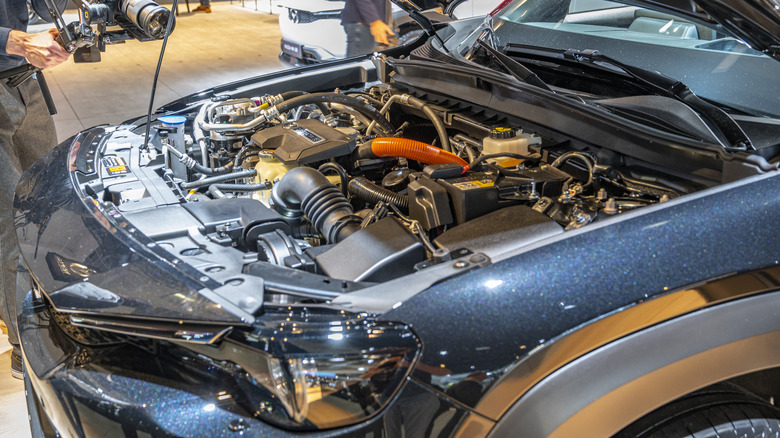
Hybrid engine innovations are redefining how we think about automotive efficiency, combining the best of electric and traditional combustion engines. From improved fuel economy to cutting-edge energy recovery systems, these innovations are making vehicles smarter, cleaner, and more sustainable than ever before.
In real-life scenarios, commuters in cities like Tokyo and Los Angeles are already experiencing the benefits. Drivers of hybrid vehicles enjoy longer ranges, lower fuel costs, and reduced emissions, while still having the performance and flexibility of conventional engines. These advancements are not only influencing consumer choices but also pushing automakers to rethink vehicle design for a more sustainable future.
How Hybrid Engine Innovations Enhance Efficiency
One of the most exciting aspects of hybrid engine innovations is the dramatic improvement in efficiency. Modern hybrid vehicles intelligently switch between electric motors and internal combustion engines based on driving conditions, minimizing fuel consumption while maximizing performance.
For example, Toyota’s latest hybrid models use advanced eCVT systems that optimize power distribution between electric and gasoline engines. Drivers report smoother acceleration, quieter rides, and significant savings on fuel, demonstrating how hybrid technology is no longer just an eco-friendly option—it’s a practical choice for everyday driving.
Advanced Battery Technology and Energy Recovery
Battery improvements are central to hybrid engine innovations, enabling longer electric-only ranges and faster recharging. Lithium-ion and next-generation solid-state batteries store more energy in smaller, lighter packages, allowing hybrid vehicles to operate efficiently in city traffic and on highways.
Regenerative braking is another breakthrough. This technology captures kinetic energy during braking and converts it into usable electricity, recharging the battery in real-time. Drivers in European cities report that regenerative braking reduces fuel consumption by up to 20%, proving that hybrid innovations have tangible benefits beyond emissions reduction.
Smart Hybrid Systems in Everyday Driving
Modern hybrid engine innovations also include intelligent software that learns driver behavior and adjusts power usage dynamically. These systems monitor acceleration, braking, traffic conditions, and even weather to provide optimal efficiency.
A practical example is Honda’s Intelligent Multi-Mode Drive (i-MMD), which seamlessly transitions between electric, hybrid, and engine-only modes. Commuters report a smoother driving experience, with the car making subtle adjustments that feel natural yet highly efficient. These innovations show how hybrid technology is evolving from simple fuel-saving measures to fully integrated smart mobility solutions.
Sustainability and Environmental Impact
Environmental responsibility is a major driver behind hybrid engine innovations. By reducing reliance on fossil fuels, hybrid vehicles decrease greenhouse gas emissions while still meeting the performance needs of modern drivers.
Real-world data shows that hybrid cars in metropolitan areas like London and San Francisco produce up to 30% less CO2 than conventional vehicles. Automakers are also using eco-friendly materials in hybrid production, such as recycled plastics and lightweight alloys, further reducing the environmental footprint. These developments reflect a broader cultural shift toward sustainability in transportation.
Integration of Hybrid Engines in Luxury and Performance Vehicles
Hybrid technology is no longer limited to compact or economy cars. Luxury and performance brands are embracing hybrid engine innovations, blending high power with eco-conscious engineering.
For instance, Porsche’s Panamera and Ferrari’s SF90 Stradale combine electric motors with powerful combustion engines, offering lightning-fast acceleration while still maintaining fuel efficiency. Owners enjoy a driving experience that balances performance, comfort, and environmental responsibility. Real-life users often highlight how hybrid powertrains deliver a unique combination of thrill and sustainability, redefining what high-end vehicles can achieve.
Future Prospects for Hybrid Engine Innovations
Looking ahead, hybrid engine innovations are expected to become even more sophisticated. Automakers are exploring plug-in hybrids with longer electric ranges, AI-assisted energy management, and lightweight modular components that improve efficiency without compromising performance.
These trends also extend to public transport and commercial vehicles. Hybrid buses and delivery vans are already reducing urban emissions while maintaining reliable operation schedules. Cities like Seoul and New York are investing in hybrid fleets, showing that these innovations are scalable and impactful beyond personal vehicles.
Real-World Benefits for Consumers
Beyond environmental impact, hybrid engine innovations provide real-world benefits for everyday drivers. Lower fuel costs, reduced maintenance, and quiet, smooth operation make hybrid vehicles appealing for commuters, families, and businesses alike.
In California, hybrid taxis and ride-sharing fleets have demonstrated up to 25% fuel savings over conventional cars, while drivers note that the electric motor reduces stress during stop-and-go traffic. These practical benefits help explain why hybrid adoption is growing worldwide, even in regions where electric vehicles have yet to dominate the market.
Challenges and Industry Solutions
While hybrid engine innovations are promising, challenges remain. Battery disposal, initial vehicle cost, and system complexity can create adoption hurdles. However, manufacturers are actively addressing these issues through advanced recycling programs, government incentives, and simplified user interfaces that make hybrid cars intuitive to operate.
For example, Toyota and Hyundai have developed educational programs and digital apps to help owners understand energy-saving modes and maintenance needs. These initiatives ensure that hybrid technology is not only advanced but also accessible, reinforcing consumer confidence in sustainable mobility solutions.
Global Influence and Policy Integration
Hybrid engine innovations are also shaping global transportation policy. Governments worldwide are incentivizing hybrid adoption through tax breaks, low-emission zones, and infrastructure investment.
In Japan, hybrid vehicles account for nearly half of new car sales, driven by both consumer preference and supportive policies. European countries are following suit, integrating hybrid fleets into public transportation while gradually phasing out fossil fuel-only vehicles. This combination of innovation, policy, and consumer interest is creating a sustainable momentum for the automotive industry.
Read also: