

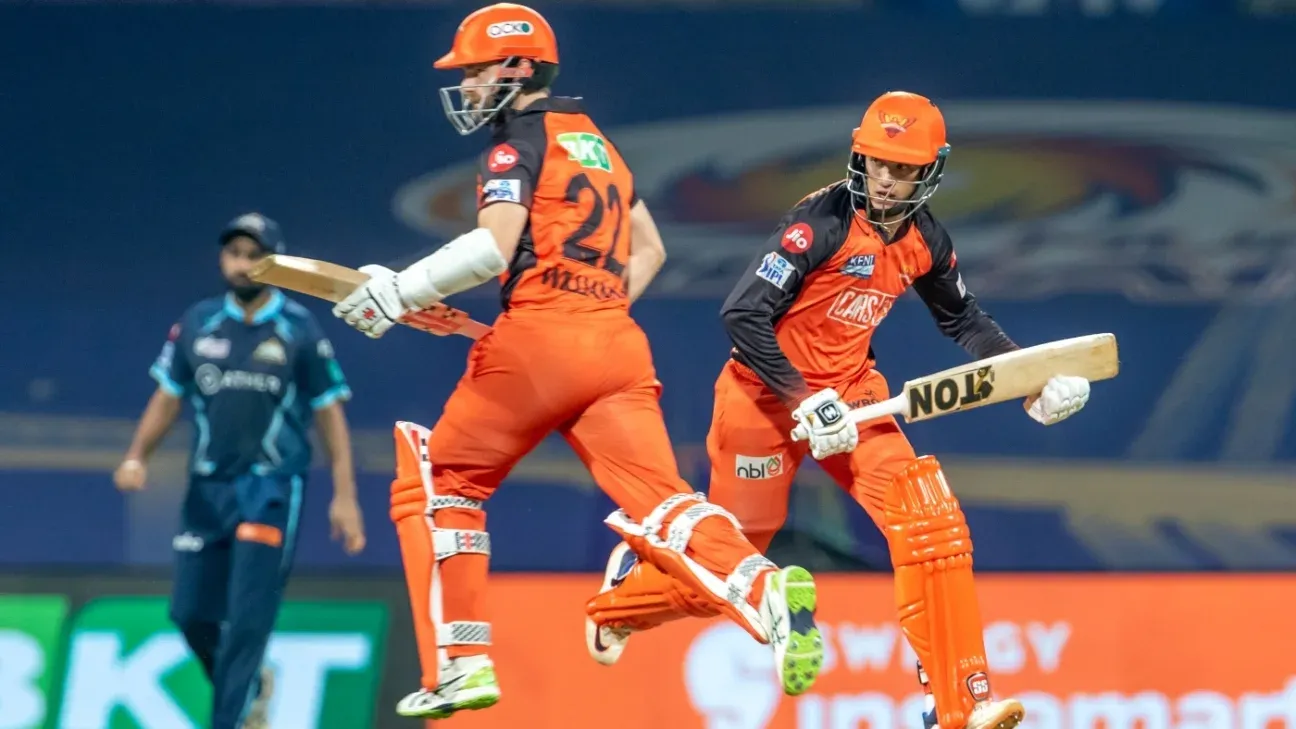
Strike rotation is one of the most underrated yet powerful skills in cricket. It doesn’t grab headlines like a six over long-on or a fiery bouncer, but it quietly decides matches. When batters rotate the strike consistently, they control the tempo, frustrate bowlers, and build pressure without taking unnecessary risks.
This article dives deep into what strike rotation really means, why it matters, how modern players master it, and how you can improve it whether you’re a club cricketer, a coach, or a passionate fan trying to understand the game at a deeper level.
Understanding Strike Rotation in Modern Cricket
At its core, strike rotation means changing the striker by scoring singles, doubles, and threes, or by odd-numbered runs at the end of an over. It ensures both batters get opportunities to face deliveries and prevents bowlers from settling into a rhythm.
In the early days of cricket, batters often focused on boundary-hitting or blocking, but modern formats have highlighted the importance of continuous scoring. Rotating the strike keeps the scoreboard ticking and disrupts a bowler’s line and length.
Great partnerships often thrive not just on boundaries but on a steady flow of singles. This constant movement forces fielders to stay alert and bowlers to rethink their plans.
Why Strike Rotation Matters More Than Ever
Cricket has evolved dramatically, especially with the rise of T20 leagues and aggressive ODI strategies. Teams now aim for higher run rates, but reckless hitting can lead to collapses. Strike rotation offers a balanced approach between aggression and stability.
When batters rotate the strike effectively, they reduce dot balls, increase pressure on bowlers, and create more boundary opportunities. Bowlers thrive on dot balls because they build pressure and induce mistakes. Strike rotation breaks that pressure cycle.
In high-pressure chases, singles become as valuable as boundaries. Players like Virat Kohli, Kane Williamson, and Joe Root are known for converting singles into a weapon, maintaining momentum without unnecessary risks.
The Psychology Behind Strike Rotation
Cricket is a mental game as much as a physical one. Rotating strike affects the mindset of both batters and bowlers. For batters, it builds confidence and rhythm. For bowlers, it creates uncertainty.
A bowler likes to bowl to a batter who is stuck on strike, especially if the batter is defensive or uncomfortable. Strike rotation removes that advantage. It forces bowlers to adjust their strategy for different batters, disrupting their flow.
Fielders also feel pressure when batters keep running hard. Misfields, overthrows, and rushed throws often result from constant movement between the wickets.
Strike Rotation in Test Cricket
In Test cricket, strike rotation is often about survival and gradual scoring. Batters aim to wear down bowlers and build long innings. Rotating strike in Tests is about patience, discipline, and game awareness.
Players like Rahul Dravid and Alastair Cook mastered the art of rotating strike with soft hands and sharp running. They rarely wasted deliveries and ensured partnerships kept growing.
In Tests, rotating strike also helps in managing bowlers’ spells. By facing different bowlers, batters can exploit fatigue and changes in line and length.
Strike Rotation in ODIs
In One Day Internationals, strike rotation plays a crucial role in building innings. The middle overs often decide matches, and this is where singles and doubles dominate.
Teams that rotate strike efficiently during overs 11 to 40 often set up big finishes. The ability to find gaps and run hard keeps the run rate healthy and sets the stage for late-innings acceleration.
Modern ODI strategies emphasize strike rotation to avoid stagnation. Dot-ball pressure often leads to wickets, so consistent singles act as insurance against collapses.
Strike Rotation in T20 Cricket
T20 cricket is often associated with power-hitting, but strike rotation is equally important here. The best T20 teams combine boundaries with constant singles.
Players like Babar Azam and KL Rahul are known for combining elegant strokeplay with consistent strike rotation. They keep the scoreboard moving even when boundaries dry up.
In T20s, rotating strike also helps in targeting specific bowlers. By keeping strong hitters on strike against weaker bowlers, teams maximize scoring opportunities.
Techniques to Improve Strike Rotation
Improving strike rotation requires a mix of technical skills, fitness, and game awareness. Batters must develop soft hands, quick decision-making, and sharp running between the wickets.
Soft hands allow batters to drop the ball into gaps, making singles easier. Quick footwork helps in placing the ball away from fielders. Awareness of field placements enables batters to exploit gaps consistently.
Running between the wickets is often underestimated. Fitness, communication, and trust between partners are crucial. The best partnerships often run like well-trained athletes, turning half-chances into runs.
Role of Communication Between Batters
Strike rotation depends heavily on communication. Calling loudly, responding quickly, and trusting your partner are essential. Miscommunication leads to run-outs, which can be devastating.
Experienced batters use clear calls like “yes,” “no,” and “wait.” They also use hand signals and eye contact to coordinate runs. This level of coordination turns risky singles into safe scoring opportunities.
Partnerships that communicate well often dominate bowling attacks. They turn pressure situations into manageable scenarios by staying proactive.
Field Placement and Strike Rotation
Field placement plays a major role in strike rotation. Batters must read the field and identify gaps. Modern cricket involves dynamic field settings, especially in limited-overs formats.
Smart batters anticipate where the ball will land and adjust their strokes accordingly. They use deflections, nudges, and soft touches to exploit spaces.
Coaches often train players to visualize gaps and practice hitting into them. This skill transforms strike rotation into a consistent scoring method.
Technology and Analytics in Strike Rotation
Modern cricket teams use data analytics to study strike rotation patterns. Analysts track dot-ball percentages, singles per over, and partnership dynamics.
Players receive insights on how to maximize scoring against specific bowlers and field settings. This data-driven approach has made strike rotation a strategic weapon rather than just an instinctive skill.
Teams now design batting plans that combine boundary-hitting with strike rotation, optimizing run rates and minimizing risks.
Real-Life Examples of Strike Rotation Excellence
One of the best examples of strike rotation mastery is the partnership between Virat Kohli and AB de Villiers at Royal Challengers Bangalore. They combined boundaries with constant singles, turning average totals into match-winning scores.
Another example is the Indian middle order in the 2011 World Cup, where batters consistently rotated strike to build partnerships and chase targets calmly.
In international cricket, partnerships built on strike rotation often last longer and produce bigger totals. These examples highlight how small runs add up to massive advantages.
Coaching Perspective on Strike Rotation
From a coaching standpoint, strike rotation is a fundamental skill taught at grassroots levels. Coaches emphasize running drills, soft-hand techniques, and gap-finding exercises.
Young players often focus on big shots, but coaches stress the importance of singles and doubles. Teaching players to value every run builds discipline and match awareness.
Training sessions often include scenario-based drills where players must score without boundaries, reinforcing the importance of strike rotation.
Common Mistakes That Hurt Strike Rotation
Many players struggle with strike rotation due to poor shot selection, slow running, or lack of awareness. Playing too hard at the ball can result in catches instead of singles.
Another mistake is hesitation between the wickets. Indecision leads to run-outs and wasted opportunities. Batters must commit quickly and trust their partner.
Ignoring field placement is also a common issue. Smart batters constantly scan the field and adjust their strokes accordingly.
Fitness and Strike Rotation
Fitness plays a huge role in effective strike rotation. Running between the wickets requires speed, endurance, and agility.
Modern cricketers train specifically for sprinting and quick turns. Strong legs and cardiovascular fitness help players maintain intensity throughout the innings.
Teams now treat running between the wickets as a measurable skill, tracking distances and sprint speeds during matches and practice sessions.
Cultural Impact of Strike Rotation in Cricket
Cricket cultures across countries value strike rotation differently. Subcontinental teams often emphasize quick singles and wristy strokes, while some Western teams focus more on power-hitting.
However, the global trend is shifting toward balanced batting, where strike rotation complements aggressive play. This evolution reflects the changing nature of cricket strategies.
Fans often overlook the beauty of a quick single, but seasoned cricket enthusiasts appreciate how these small moments shape matches.
Strike Rotation in Pressure Situations
In tight chases, strike rotation becomes a lifeline. Boundaries may not come easily, but singles keep the chase alive.
Experienced players stay calm and focus on rotating strike rather than forcing big shots. This approach reduces risk and increases the chances of successful chases.
Many famous chases have been built on steady strike rotation, proving its importance in high-stakes cricket.
Future of Strike Rotation in Cricket
As cricket continues to evolve, strike rotation will remain a core skill. With faster fields, improved athleticism, and advanced analytics, rotating strike will become even more strategic.
Young players are now trained to value singles as much as boundaries. Coaches and analysts are integrating strike rotation metrics into player evaluations and team strategies.
The future of cricket will likely see even more emphasis on efficiency, making strike rotation a cornerstone of batting philosophy.
How Fans Can Appreciate Strike Rotation
For fans, understanding strike rotation adds a new layer of appreciation to cricket. Instead of focusing only on sixes and fours, fans can observe how batters manipulate the field and build innings.
Watching partnerships develop through singles and doubles reveals the tactical side of cricket. It shows how intelligence and teamwork can outsmart raw pace and power.
Next time you watch a match, notice how often batters rotate strike and how it affects the bowler’s strategy.
The Hidden Art of Strike rotation
The beauty of Strike rotation lies in its simplicity. It’s about smart cricket, teamwork, and discipline. While boundaries excite crowds, singles win matches.
Great batters treat Strike rotation as an art form. They practice it, analyze it, and use it strategically. It’s not just about scoring runs; it’s about controlling the game.
When teams master Strike rotation, they become difficult to beat. They minimize risks, maximize scoring opportunities, and build unstoppable momentum.
Cricket may celebrate power-hitters, but history remembers those who mastered Strike rotation and shaped matches with intelligence and consistency.
Read also:-
west indies cricket team vs bangladesh national cricket team
zimbabwe national cricket team vs south africa national cricket team timeline
australian men’s cricket team vs sri lanka national cricket team match scorecard
new zealand national cricket team vs pakistan national cricket team timeline