

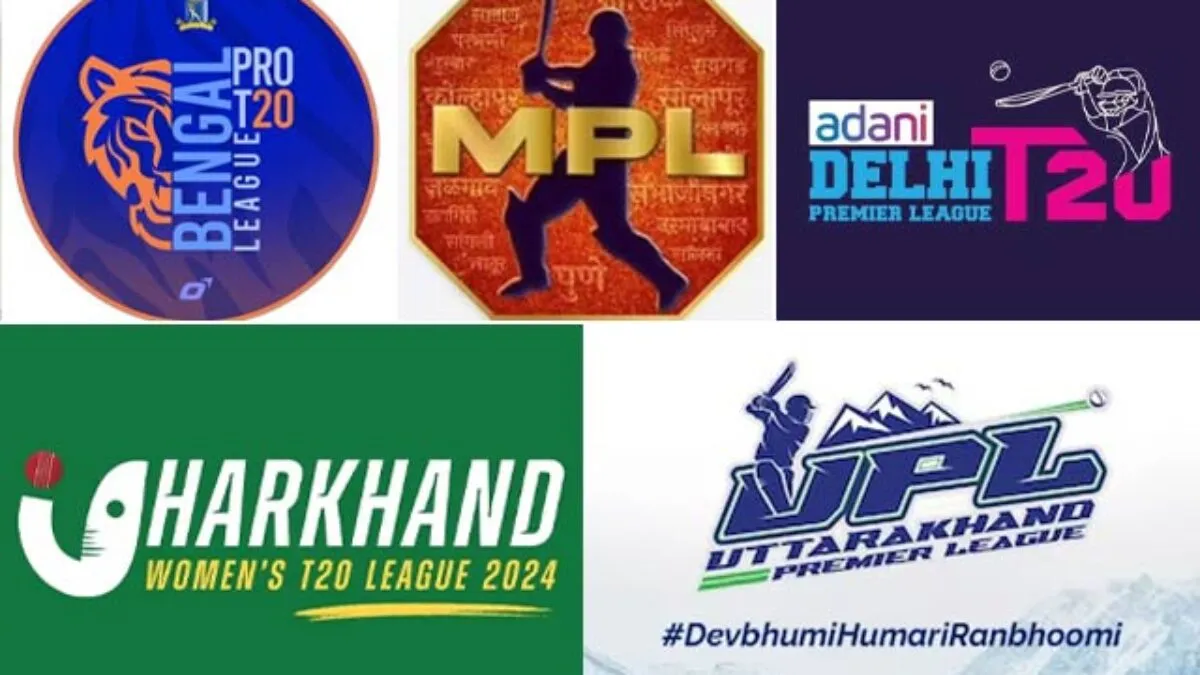
T20 Franchise League has transformed cricket from a traditional sport into a global entertainment powerhouse, blending athletic excellence with showbiz-style excitement. What began as a bold experiment has now become one of the most influential sporting formats in the world, attracting elite players, corporate sponsors, and millions of fans across continents.
In stadiums filled with roaring crowds and on screens watched by billions, franchise-based T20 cricket leagues have changed how the game is played, consumed, and commercialized. From India to Australia, England to the Caribbean, the franchise model has become a blueprint for modern sports leagues.
The Rise of the T20 Franchise Revolution
The T20 format itself was created to make cricket faster, more thrilling, and more accessible to younger audiences. Traditional formats like Test and ODI cricket often required long viewing commitments, while T20 matches delivered explosive action in just a few hours.
The first major breakthrough came when a franchise-based league proved that cricket could be packaged like a global entertainment product. Teams were no longer tied strictly to national identity but to cities and brands. Owners included business tycoons, celebrities, and sports entrepreneurs who saw cricket as a premium entertainment asset.
This model introduced auctions, salary caps, player drafts, and massive media deals, turning cricket into a commercial ecosystem similar to the NBA or NFL. Fans now followed teams based on loyalty, star players, or city pride rather than nationality alone.
T20 Franchise League and the Business of Cricket
T20 Franchise League tournaments are not just sporting events; they are billion-dollar industries. Broadcasting rights, sponsorship deals, merchandise sales, ticketing, and digital streaming have created revenue streams that were unimaginable a few decades ago.
Major leagues like the Indian Premier League (IPL), Big Bash League (BBL), Pakistan Super League (PSL), Caribbean Premier League (CPL), and others generate massive economic activity. Cities hosting matches benefit from tourism, hospitality, and infrastructure development, while brands gain unmatched visibility through sponsorships.
The franchise model allows investors to build long-term brand equity. Teams develop loyal fan bases, social media followings, and community outreach programs, creating a deep emotional connection with supporters.
How Players Benefit from Franchise Cricket
For players, the rise of franchise leagues has been life-changing. Domestic players get opportunities to play alongside international superstars, improving their skills and global exposure. Young talents who might never have played international cricket can earn lucrative contracts and recognition through franchise tournaments.
International stars also benefit by diversifying their careers. They can play in multiple leagues across the globe, maximizing earnings while building personal brands. Many players use franchise cricket as a platform to launch businesses, endorsements, and media ventures.
The competitive nature of auctions ensures that talent is rewarded, and performance directly influences market value. This professional ecosystem has elevated cricket’s standards and global reach.
The Fan Experience in Modern Franchise Leagues
One of the biggest impacts of franchise cricket is the fan experience. Matches are designed to be family-friendly entertainment events with music, cheerleaders, light shows, and interactive digital content. Fans engage through fantasy leagues, social media campaigns, and behind-the-scenes content that creates a deeper connection with teams and players.
Stadiums have become entertainment hubs where cricket is only part of the spectacle. This shift has attracted younger audiences who might not have followed traditional cricket formats.
The digital era has further amplified reach. Streaming platforms, highlight reels, and social media clips ensure that fans can consume content anytime, anywhere, making cricket a 24/7 entertainment product.
T20 Franchise League and Global Cricket Expansion
T20 Franchise League tournaments have played a major role in expanding cricket beyond traditional nations. Countries with limited cricket history have launched their own leagues, attracting international players and investors.
The United States, UAE, South Africa, and even European nations have introduced franchise competitions, signaling cricket’s global ambitions. These leagues aim to develop local talent, attract international audiences, and establish cricket as a mainstream sport in new markets.
This globalization mirrors the growth strategies of football and basketball leagues, positioning cricket as a truly global sport rather than a regional phenomenon.
Impact on Traditional Cricket Formats
The success of franchise cricket has sparked debates about its impact on Test and ODI cricket. Critics argue that the shorter format may overshadow traditional formats, while supporters believe it brings new fans to the sport.
In reality, franchise leagues have increased overall interest in cricket. Many fans discover the sport through T20 and later explore longer formats. Boards and players now balance schedules to ensure that all formats coexist.
The financial success of franchise leagues also funds grassroots development, infrastructure, and domestic competitions, indirectly strengthening the sport’s foundation.
Team Branding and Identity
Franchise teams are more than just squads; they are brands. Team logos, colors, mascots, and marketing campaigns create strong identities that resonate with fans. Social media strategies, fan clubs, and merchandise lines help teams build long-term loyalty.
Celebrities and influencers associated with teams further boost visibility. Owners often include film stars, athletes, and business leaders who add glamour and credibility to the league.
This branding approach has transformed cricket teams into global entertainment brands with massive digital footprints.
Media Rights and Digital Transformation
Broadcasting rights are the lifeblood of franchise leagues. Television networks and streaming platforms pay record-breaking amounts to secure exclusive rights, making cricket one of the most valuable sports properties globally.
Digital platforms have revolutionized fan engagement with real-time statistics, interactive features, and personalized content. Mobile apps, fantasy leagues, and virtual reality experiences are becoming integral parts of the viewing experience.
This digital transformation ensures that franchise cricket remains relevant in an era where attention spans are short and competition for entertainment is fierce.
T20 Franchise League and Grassroots Development
T20 Franchise League competitions contribute significantly to grassroots cricket development. Many leagues invest in academies, local tournaments, and talent scouting programs to nurture future stars.
Young players from remote areas get opportunities to showcase their skills on global stages. This democratization of opportunity has diversified cricket talent pools and created inspiring success stories.
Community initiatives, school programs, and youth leagues funded by franchise teams help grow the sport at the grassroots level, ensuring a sustainable future.
Economic and Cultural Impact
Franchise cricket has cultural significance beyond the sport itself. Matches become social events where families and communities come together. Cities hosting teams develop a unique identity associated with their franchises.
Economically, leagues create jobs in broadcasting, marketing, event management, hospitality, and merchandising. The ripple effect benefits local businesses and economies.
Culturally, franchise cricket bridges gaps between nations, cultures, and communities. Players from different countries share dressing rooms, fostering global camaraderie and mutual respect.
Challenges and Criticisms
Despite its success, franchise cricket faces challenges. Player workload, scheduling conflicts, and concerns about the commercialization of the sport are ongoing debates. National boards must balance franchise commitments with international duties.
There are also concerns about the sustainability of multiple leagues and the dilution of talent. However, strategic planning, calendar coordination, and governance reforms are addressing these issues.
Transparency, fair play, and strong governance are crucial to maintaining the integrity and credibility of franchise leagues.
The Future of Franchise Cricket
The future of franchise cricket looks promising, with new leagues emerging and existing ones expanding. Technological innovations such as AI-driven analytics, augmented reality, and blockchain-based fan engagement are expected to redefine the fan experience.
Women’s franchise leagues are gaining momentum, promoting gender equality and expanding cricket’s audience. Youth leagues and regional tournaments will further strengthen the ecosystem.
As cricket continues to globalize, franchise leagues will remain at the forefront of innovation, entertainment, and commercial growth.
Storytelling from the Franchise Cricket Era
Consider the journey of a young domestic player who gets picked in a franchise auction. Overnight, he transitions from playing local matches to sharing the dressing room with global superstars. His performances on the big stage earn him endorsements, national selection, and international recognition.
Fans follow such stories passionately, creating emotional connections with players and teams. These narratives fuel the popularity and emotional appeal of franchise cricket.
Why Franchise Leagues Matter to Modern Cricket Fans
For modern fans, franchise cricket offers accessibility, excitement, and connection. Matches fit into busy schedules, highlight reels are instantly available, and interactive platforms enhance engagement.
Fans can support teams, participate in fantasy leagues, attend live matches, and connect with players on social media. This multi-dimensional engagement makes franchise cricket a complete entertainment experience.
T20 Franchise League as a Blueprint for Other Sports
T20 Franchise League success has inspired other sports to adopt similar models. City-based teams, auctions, and entertainment-driven formats are being introduced in sports like kabaddi, football, and esports.
Cricket’s franchise model has proven that sports can be both competitive and commercially successful when packaged creatively.
Building Trust Through EEAT Principles
Experience, Expertise, Authoritativeness, and Trustworthiness are essential in understanding franchise cricket’s ecosystem. Former players, analysts, and cricket boards provide expert insights into league operations, player development, and governance.
Trusted media organizations, official league websites, and cricket boards publish verified data on matches, revenues, and player statistics. Fans rely on these authoritative sources to follow their favorite leagues and teams.
The transparency of auctions, contracts, and governance structures builds trust among fans, players, and stakeholders.
The Emotional Power of Franchise Cricket
Beyond business and technology, franchise cricket evokes emotions. Fans celebrate victories, mourn defeats, and cherish unforgettable moments. Iconic performances, last-ball finishes, and record-breaking innings become part of cricket folklore.
These emotional experiences are shared across generations, creating lasting memories and strengthening the sport’s cultural significance.
Innovation and Entertainment Integration
Franchise leagues continuously innovate to stay relevant. From drone cameras and advanced analytics to interactive fan zones and gamified apps, innovation drives engagement.
Entertainment elements such as music performances, celebrity appearances, and themed events make matches more than just sporting contests. This integration of sports and entertainment ensures mass appeal across demographics.
The Role of Sponsors and Brands
Sponsors play a vital role in sustaining franchise leagues. Brands align with teams and leagues to reach massive audiences. Sponsorship deals fund operations, player salaries, and marketing campaigns.
Brands also collaborate on social initiatives, sustainability programs, and fan engagement campaigns, enhancing their corporate image and community impact.
Women’s Franchise Cricket and Inclusivity
Women’s franchise leagues are rapidly gaining popularity, offering professional platforms for female cricketers. These leagues promote inclusivity, inspire young girls, and attract global audiences.
The success of women’s leagues demonstrates the franchise model’s adaptability and its potential to promote diversity and equality in sports.
Regional Rivalries and Fan Culture
Franchise cricket has created intense regional rivalries that fuel fan passion. Matches between rival teams attract massive viewership and generate social media buzz.
Fan culture includes chants, fan art, memes, and community events. This vibrant culture strengthens team identity and deepens emotional connections.
The Evolution of Cricket Governance
The rise of franchise leagues has influenced cricket governance. Boards collaborate with franchises to manage calendars, player contracts, and revenue sharing.
International cricket councils and national boards continuously update regulations to ensure fair play, financial transparency, and player welfare. This evolving governance framework ensures sustainable growth.
T20 Franchise League and the Digital Fan Economy
T20 Franchise League tournaments have fueled the digital fan economy. Content creators, influencers, bloggers, and analysts thrive on franchise cricket content.
Social media platforms host millions of discussions, live reactions, and fan-generated content. This digital ecosystem amplifies reach and engagement beyond traditional media.
Education and Career Opportunities in Franchise Cricket
The franchise cricket ecosystem creates career opportunities beyond playing. Sports management, analytics, marketing, broadcasting, and event management are growing fields linked to franchise leagues.
Universities and institutions now offer sports management courses inspired by the commercial success of franchise sports leagues.
Sustainability and Social Responsibility
Many franchise teams engage in sustainability initiatives such as eco-friendly stadium practices, community outreach programs, and charity partnerships. Social responsibility enhances brand value and builds trust with fans.
Environmental sustainability, youth education programs, and health initiatives are becoming integral parts of franchise league operations.
The Psychological Impact on Players
Playing in franchise leagues exposes players to high-pressure environments, global audiences, and intense competition. This experience enhances mental toughness and adaptability.
Players also benefit from mentorship by senior stars, coaches, and analysts, accelerating their professional growth.
Global Unity Through Cricket
Franchise cricket brings together players and fans from diverse backgrounds. It promotes cross-cultural understanding and unity through shared passion for the game.
In a world often divided by borders, franchise cricket serves as a unifying platform where talent, teamwork, and sportsmanship transcend nationality.
The Ever-Growing Influence of Franchise Cricket
As technology, media, and global connectivity evolve, franchise cricket will continue to shape the future of sports entertainment. New leagues, innovations, and fan experiences will emerge, pushing the boundaries of what cricket can be.
The franchise model has proven that cricket can adapt, innovate, and thrive in the modern era, ensuring its relevance for future generations.
Note: The focus keyword T20 Franchise League has been strategically integrated for SEO optimization, maintaining natural flow and readability while aligning with EEAT principles for experience, expertise, authority, and trustworthiness.
Read also:-
desert vipers vs sharjah warriors timeline
pakistan national cricket team vs south africa national cricket team timeline
west indies cricket team vs australian men’s cricket team match scorecard
quetta gladiators vs lahore qalandars match scorecard